When Should Your Child First Visit the Dentist? A Parent’s Complete Guide
Every parent wants their child to grow up with a healthy, confident smile. From the first tiny tooth to the arrival of permanent teeth, childhood is an important period for dental development. However, many parents are unsure about when they should schedule their child’s first dental appointment. Some believe they should wait until all the baby teeth have appeared, while others think a dentist is only necessary when a child develops toothache.
The truth is that your child’s first dental visit should happen much earlier than many parents expect. Early dental care helps identify potential problems, teaches parents how to care for developing teeth, and establishes healthy habits that can last a lifetime.
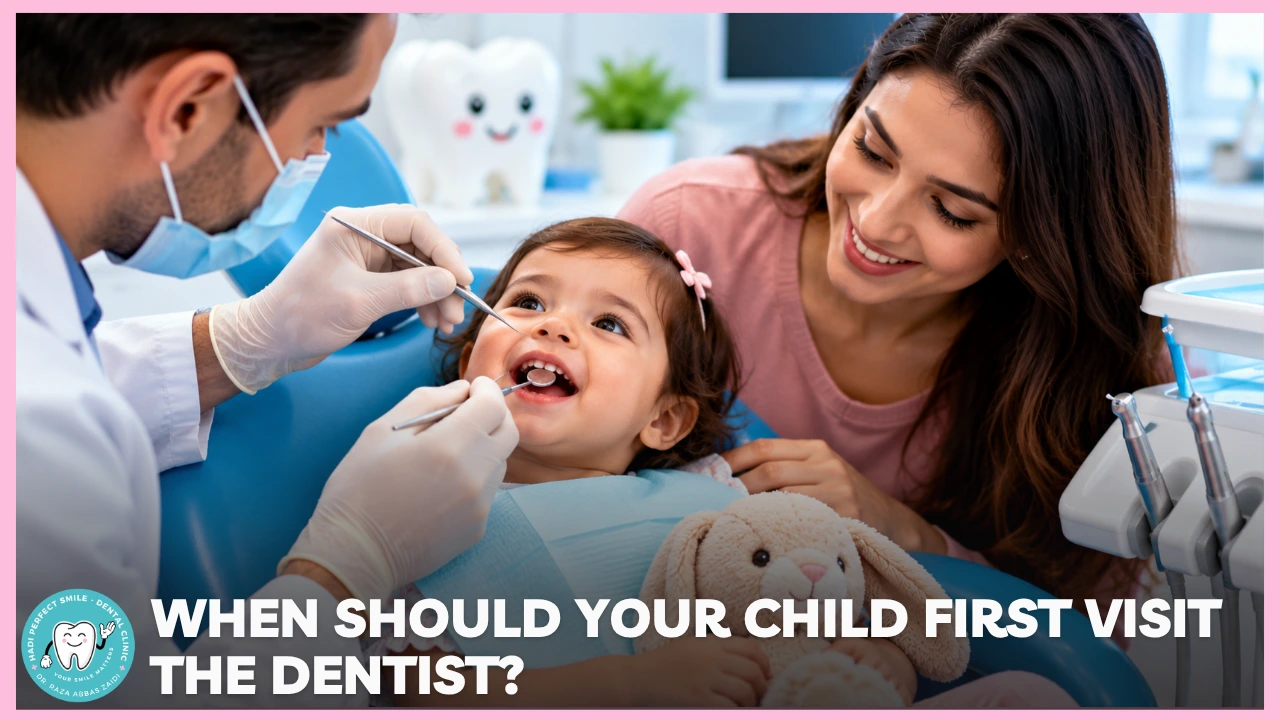
So, when should your child first visit the dentist? The general recommendation is to schedule the first dental visit by the child’s first birthday or within six months after the first tooth erupts, whichever comes first.
At Hadi Perfect Smile – Dental Clinic, we believe that preventive dental care begins in infancy. Under the guidance of Dr. Raza Abbas Zaidi (Dentist & Dental Surgeon), our approach focuses on helping parents understand their child’s dental development, prevent tooth decay, and build a strong foundation for lifelong oral health.
In this guide, you will learn the ideal age for a child’s first dental visit, what happens during the appointment, how to prepare your child, and how to protect baby teeth from the very beginning.
When Should Your Child First Visit the Dentist?
According to widely accepted pediatric dental recommendations, a child should visit the dentist:
- By their first birthday.
- Within six months after the first baby tooth appears.
- Earlier if a parent notices unusual dental changes, injury, or signs of a dental problem.
The first tooth commonly appears around six months of age, although the timing varies from child to child. Some babies develop their first tooth earlier, while others take longer.
Parents should not wait until their child has a full set of baby teeth before arranging an appointment.
An early visit allows the dentist to check whether the teeth and gums are developing appropriately and provide guidance on brushing, fluoride, feeding habits, and cavity prevention.
The purpose of the first visit is not simply to examine the teeth. It is also an opportunity to help parents understand how to protect their child’s oral health from the beginning.
Why Is an Early Dental Visit Important?
Baby teeth may be temporary, but they play an essential role in a child’s development.
They help children chew food, develop clear speech, maintain space for permanent teeth, and support normal dental development. Problems affecting baby teeth can therefore have consequences beyond appearance.
An early dental appointment offers several benefits.
1. Detecting Tooth Decay Early
Tooth decay can begin soon after the first teeth erupt. Early decay may appear as white, chalky areas near the gum line and may not cause pain.
A dentist can identify suspicious changes and recommend appropriate preventive care before the damage progresses.
Early detection may reduce the need for more complex treatment later.
2. Learning the Correct Brushing Technique
Parents sometimes assume that cleaning a baby’s teeth is unnecessary because the teeth are small or widely spaced.
However, oral hygiene should begin as soon as the first tooth appears.
During the first dental visit, parents can learn how to use an infant toothbrush, how much fluoride toothpaste to apply, and how to clean their child’s teeth safely.
3. Understanding Feeding Habits
Feeding practices can influence the risk of early childhood cavities.
Frequent exposure to sugary drinks, prolonged bottle use during sleep, and repeated nighttime exposure to liquids containing sugars can increase the risk of decay.
A dentist can discuss age-appropriate feeding habits and explain how to reduce unnecessary sugar exposure without compromising a child’s nutritional needs.
4. Monitoring Tooth and Jaw Development
Every child develops differently. A dentist can assess tooth eruption, jaw development, the gums, and the relationship between the teeth.
If something appears unusual, the dentist can advise whether monitoring or further evaluation is necessary.
5. Building Confidence Around Dental Care
When children begin dental visits at a young age, they have an opportunity to become familiar with the dental environment before they experience a problem.
Regular, positive appointments can help reduce fear and make future dental care easier.
What Happens During a Child’s First Dental Visit?
A baby’s first dental visit is usually simple and focused on prevention. The exact examination depends on the child’s age, cooperation, and individual needs.
At Hadi Perfect Smile – Dental Clinic, the aim of an early dental assessment is to help parents understand their child’s oral health and identify any concerns that require attention.
A typical appointment may include the following steps.
1. Reviewing Medical and Dental History
The dentist may ask about the child’s general health, medications, feeding routine, teething, and any dental concerns.
Parents can also discuss family history of tooth decay, thumb sucking, pacifier use, or difficulties with feeding and brushing.
Sharing accurate information helps the dentist provide appropriate advice.
2. Examining the Teeth and Gums
The dentist checks the teeth that have erupted, the gums, the tongue, and the surrounding oral tissues.
The examination may identify early signs of decay, changes in enamel, gum irritation, or unusual tooth eruption.
Dental X-rays are not routinely required at every first visit. They are recommended only when clinically necessary.
3. Assessing the Risk of Cavities
Every child has a different risk of tooth decay. Factors such as existing cavities, frequent sugar exposure, fluoride use, oral hygiene, and certain medical conditions can influence that risk.
The dentist can explain which preventive measures are most suitable for your child.
4. Demonstrating Oral Hygiene
Parents may receive practical advice about brushing, toothpaste quantity, cleaning between teeth when appropriate, and managing oral hygiene as more teeth erupt.
This guidance is particularly valuable because babies and toddlers cannot clean their own teeth effectively.
5. Discussing Future Appointments
The dentist will recommend a follow-up schedule based on the child’s oral health and risk of developing cavities.
Some children may benefit from more frequent visits, while others can follow a routine preventive schedule.
How to Care for Your Baby’s Teeth Before the First Visit
Parents do not need to wait for a dental appointment to begin protecting their child’s teeth.
Simple habits established early can reduce the risk of dental problems.
Clean the Gums Before Teeth Appear
Before the first tooth erupts, parents can gently wipe the baby’s gums with a clean, damp, soft cloth as part of oral care.
Once the first tooth appears, begin brushing with an age-appropriate soft-bristled toothbrush and fluoride toothpaste.
Brush Twice Daily
Brush your child’s teeth twice a day, including before bedtime.
Use a smear of fluoride toothpaste approximately the size of a grain of rice for children younger than three years. An adult should perform the brushing and supervise the child to minimise swallowing.
As the child grows, maintain the routine and gradually teach them the correct brushing technique.
Avoid Frequent Sugary Drinks
Water should be the main drink between meals once it is appropriate for the child’s age and feeding needs.
Avoid routinely offering sweetened drinks or juice in bottles. Never put a baby to bed with a bottle containing juice or sweetened beverages.
If your baby needs nighttime feeding, follow appropriate infant-feeding advice and discuss any concerns with your healthcare professional.
Choose Tooth-Friendly Foods
As your child begins eating solids, offer a varied, balanced diet that supports overall growth and dental health.
Suitable options may include age-appropriate vegetables, whole fruits, plain yogurt, cheese, eggs, lentils, beans, and other nutritious foods.
Avoid frequent exposure to sugary snacks and drinks. Ensure that food textures and sizes are appropriate for your child’s developmental stage to reduce choking risks.
Is Teething a Reason to Visit the Dentist?
Teething is a normal part of childhood development. It commonly begins around six months, although timing varies.
During teething, babies may experience tender gums, drooling, and a tendency to chew on safe objects.
Teething does not usually cause severe or prolonged illness. High fever, significant swelling, or persistent symptoms should not automatically be attributed to teething.
A dental visit is appropriate if parents have concerns about delayed eruption, unusual tooth appearance, oral injury, or symptoms that may indicate a dental problem.
Parents should avoid applying aspirin, alcohol, or unapproved numbing products directly to a baby’s gums.
Common Signs of Tooth Decay in Babies and Toddlers
Early tooth decay is not always easy for parents to identify.
Possible warning signs include:
- White or chalky spots on the teeth.
- Yellow, brown, or black discolouration.
- Visible holes or damaged tooth surfaces.
- Sensitivity when eating or drinking.
- Toothache or unexplained irritability during meals.
- Swelling around the gums.
White spots near the gum line can be an early sign of enamel mineral loss. A dentist should evaluate them rather than waiting for a visible cavity to appear.
If your child develops toothache, arrange a prompt dental appointment. Facial swelling, fever with dental pain, or signs of spreading infection require urgent assessment. Difficulty breathing or swallowing is an emergency.
How Often Should Children Visit the Dentist?
After the first dental visit, the frequency of appointments depends on the child’s individual oral health needs.
Many children attend dental checkups approximately every six months. However, this is not a universal rule. Children who have a high risk of cavities, existing dental problems, or specific developmental concerns may need more frequent visits.
Regular appointments allow the dentist to monitor tooth eruption, assess gum health, review brushing and diet, and identify potential problems early.
Parents should follow the schedule recommended by their dentist rather than waiting for symptoms to develop.
How to Prepare Your Child for the First Dental Appointment
A little preparation can make the first dental visit more comfortable.
Choose a Suitable Appointment Time
If possible, schedule the visit when your child is usually alert and settled. Avoid times when they are typically tired or hungry.
For babies, consider their usual feeding and sleeping routine.
Explain the Visit Positively
For toddlers and older children, explain that the dentist will count their teeth and help keep them healthy.
Avoid using frightening words or describing dental treatment as punishment.
Bring Relevant Information
Bring a list of medications, relevant medical information, and any questions you have about feeding, brushing, or tooth development.
Stay Calm and Supportive
Children often respond to their parents’ emotions. A calm and reassuring approach can help them feel safer.
If your child cries during the appointment, do not assume the visit has failed. Babies and toddlers may need time to become comfortable with unfamiliar surroundings.
Common Myths About a Child’s First Dental Visit
Myth 1: Baby Teeth Do Not Need Dental Care
Fact: Baby teeth are important for chewing, speech, and maintaining space for permanent teeth. They can develop cavities and may require treatment.
Myth 2: You Should Wait Until All Baby Teeth Appear
Fact: The first dental visit is recommended by the first birthday or within six months of the first tooth erupting, whichever comes first.
Myth 3: A Child Only Needs a Dentist When There Is Pain
Fact: Early tooth decay may not cause pain. Preventive appointments help identify problems before they become more serious.
Myth 4: Brushing Is Unnecessary Before the First Birthday
Fact: Brushing should begin as soon as the first tooth erupts, using an age-appropriate amount of fluoride toothpaste.
Myth 5: Every Child Needs Dental X-Rays at the First Visit
Fact: X-rays are not routinely necessary for every baby. The dentist recommends imaging when there is a clinical reason.
Why Choose Hadi Perfect Smile for Your Child’s Dental Care?
At Hadi Perfect Smile – Dental Clinic, we believe that good dental health begins with prevention, education, and timely professional care.
Under the guidance of Dr. Raza Abbas Zaidi (Dentist & Dental Surgeon), our clinic focuses on helping parents understand their child’s oral health and make informed decisions about preventive care.
Our dental services and guidance include:
- Dental examinations and oral health assessments.
- Early identification of tooth decay.
- Guidance on brushing and fluoride toothpaste.
- Preventive dental care.
- Advice about feeding habits and cavity prevention.
- Monitoring tooth eruption and dental development.
- Individualised recommendations for follow-up visits.
Our goal is to help families establish healthy oral care habits from the earliest stages of childhood.
Clinic Details
📍 Address:
J-3/100-A, J- Extension, Near Anar Wali Masjid, Laxmi Nagar, Delhi – 110092
📞 Call Us:
+91-7011690245
📧 Email:
contact@hadiperfectsmile.in
🌐 Website:
www.hadiperfectsmile.in
Final Thoughts
Knowing when your child should first visit the dentist is an important step in protecting their developing smile. The recommended time is by the first birthday or within six months after the first tooth appears, whichever comes first.
An early dental visit allows the dentist to assess tooth development, identify potential problems, explain proper brushing techniques, and guide parents on fluoride use and healthy feeding practices.
Remember that good dental care begins before a child develops a toothache. Brush twice daily once the first tooth appears, use fluoride toothpaste in an age-appropriate amount, limit frequent sugary drinks and snacks, and attend regular dental checkups.
At Hadi Perfect Smile Dental Clinic, we are committed to helping parents build a strong foundation for their children’s oral health through preventive care, education, and timely dental assessment.
Start early, stay consistent, and give your child the best possible foundation for a healthy smile.
Your Smile Matters.