When people think about damaged teeth, cavities are usually the first thing that comes to mind. However, not all tooth damage is caused by decay. Many patients experience gradual loss of tooth structure even when they have no cavities at all. Similarly, healthy-looking teeth can still be affected by unhealthy gums, which play a vital role in supporting and protecting every tooth.
Understanding Non-Carious Tooth Wear and Gingival Condition is essential for maintaining lifelong oral health. Non-carious tooth wear refers to the gradual loss of tooth structure that is not caused by bacteria or cavities. Gingival condition refers to the health of the gums surrounding your teeth. Together, these conditions can affect your smile, chewing ability, tooth sensitivity, and overall oral health if left untreated.
At Hadi Perfect Smile – Dental Clinic, we believe prevention and early diagnosis are the keys to preserving natural teeth. Under the expert care of Dr. Raza Abbas Zaidi (Dentist & Dental Surgeon), patients receive comprehensive dental evaluations and personalized treatment plans to manage tooth wear, gum health, and other oral conditions before they become serious problems.
This comprehensive guide explains everything you need to know about non-carious tooth wear and gingival conditions, including their causes, symptoms, diagnosis, treatment options, and preventive strategies.
What Is Non-Carious Tooth Wear?
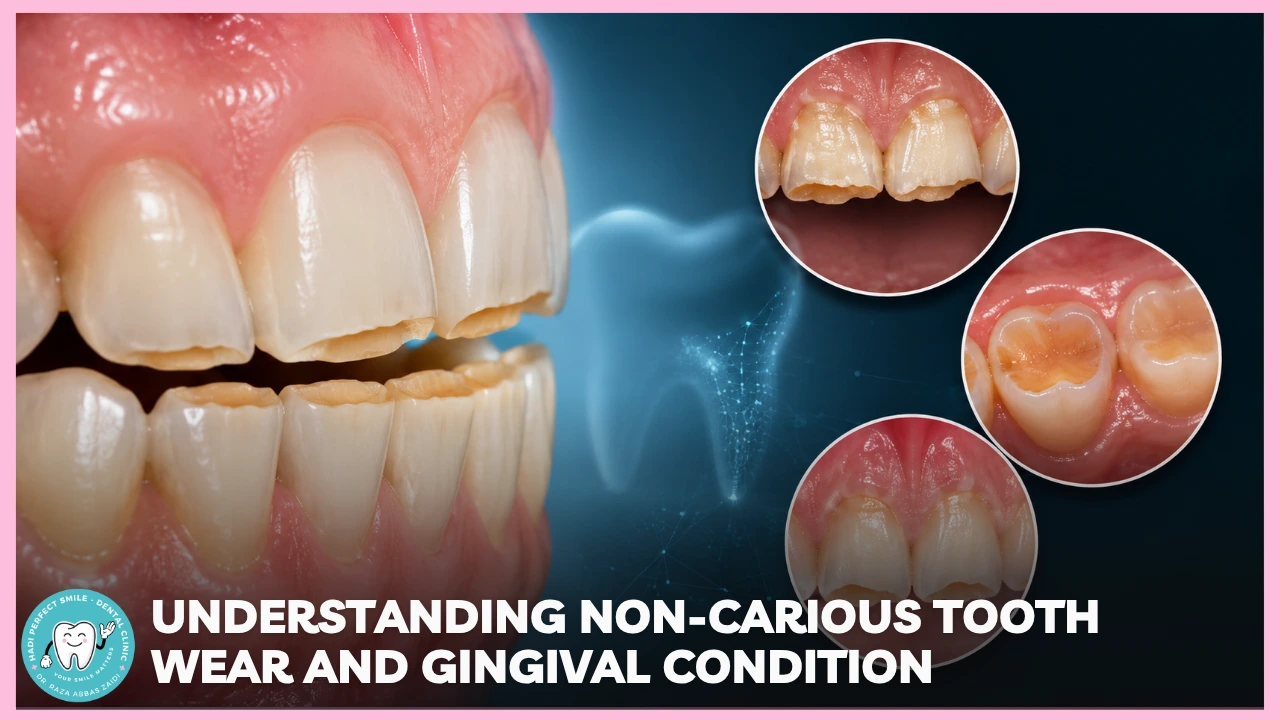
Non-carious tooth wear is the gradual loss of tooth structure without the involvement of tooth decay or bacterial infection. Unlike cavities, which are caused by acids produced by bacteria, non-carious wear results from physical, chemical, or mechanical factors.
The condition develops slowly over time and may go unnoticed until significant damage has occurred. Many patients only become aware of the problem when they experience tooth sensitivity, changes in tooth shape, or difficulty chewing.
Although tooth wear is often associated with aging, it is becoming increasingly common among younger individuals due to dietary habits, stress-related teeth grinding, and lifestyle factors.
What Is Gingival Condition?
The gingiva, commonly known as the gums, is the soft tissue that surrounds and supports your teeth. Healthy gums form a protective seal around each tooth, preventing bacteria from reaching deeper tissues and the underlying bone.
The term gingival condition refers to the overall health of the gums. Healthy gums are pink, firm, and do not bleed during brushing or flossing. Unhealthy gums may become red, swollen, tender, or bleed easily.
Changes in gingival health often occur gradually, making regular dental checkups essential for early detection.
Why Are Tooth Wear and Gum Health Connected?
Teeth and gums work together as a single functional unit. When tooth structure wears away, the gums may become more vulnerable to irritation and recession. Likewise, unhealthy gums expose the roots of the teeth, making them more susceptible to wear and sensitivity.
For this reason, dentists evaluate both tooth wear and gingival condition during routine examinations.
Ignoring one problem often leads to complications in the other.
Types of Non-Carious Tooth Wear
There are three main types of non-carious tooth wear.
Attrition
Attrition is the loss of tooth structure caused by tooth-to-tooth contact.
Common causes include:
- Teeth grinding (bruxism)
- Jaw clenching
- Normal chewing over many years
Patients who grind their teeth during sleep often develop flattened biting surfaces and worn enamel.
Abrasion
Abrasion occurs when external objects repeatedly wear away the tooth surface.
Common causes include:
- Brushing too hard
- Using hard-bristled toothbrushes
- Abrasive toothpaste
- Nail biting
- Holding objects between the teeth
Abrasion usually affects the area near the gum line.
Erosion
Dental erosion results from exposure to acids that dissolve enamel.
Unlike cavities, these acids do not come from bacteria.
Common sources include:
- Soft drinks
- Citrus fruits
- Sports drinks
- Vinegar-rich foods
- Acid reflux disease
- Frequent vomiting
Erosion gradually weakens enamel and increases tooth sensitivity.
Common Causes of Gingival Problems
Healthy gums require consistent care and good oral hygiene.
Several factors can affect gingival health.
Poor Oral Hygiene
Plaque accumulation along the gum line irritates the gums and leads to inflammation.
Gum Disease
Untreated plaque eventually hardens into tartar, increasing the risk of gingivitis and periodontitis.
Smoking
Tobacco use reduces blood flow to the gums, delaying healing and increasing the likelihood of gum disease.
Hormonal Changes
Pregnancy, puberty, and menopause can make gums more sensitive and prone to inflammation.
Medical Conditions
Conditions such as diabetes may increase susceptibility to gum disease.
Certain Medications
Some medications reduce saliva production, making it easier for plaque to accumulate.
Symptoms of Non-Carious Tooth Wear
Early stages often produce few noticeable symptoms.
As the condition progresses, patients may experience:
- Tooth sensitivity
- Flattened teeth
- Shortened teeth
- Yellow appearance due to exposed dentin
- Rough tooth edges
- Small chips
- Difficulty chewing
- Cosmetic changes in the smile
Seeking dental evaluation early can help prevent further damage.
Symptoms of Unhealthy Gums
Common warning signs include:
- Red gums
- Swollen gums
- Bleeding while brushing
- Persistent bad breath
- Gum tenderness
- Receding gums
- Loose teeth
- Pus around the gums
Healthy gums should not bleed during routine oral hygiene.
Tooth Sensitivity and Non-Carious Wear
One of the earliest signs of tooth wear is increased sensitivity.
When enamel becomes thinner or gum recession exposes the roots, external stimuli easily reach the dentin.
Patients often experience pain while consuming:
- Cold drinks
- Hot beverages
- Sweet foods
- Acidic foods
- Cold air
Sensitivity should never be ignored because it often indicates ongoing enamel loss.
How Dentists Diagnose Tooth Wear and Gingival Conditions
At Hadi Perfect Smile Dental Clinic, diagnosis begins with a comprehensive oral examination.
The dentist carefully evaluates:
- Tooth wear patterns
- Enamel thickness
- Gum health
- Gum recession
- Bite alignment
- Signs of grinding
- Plaque accumulation
Digital dental X-rays may also be recommended to evaluate bone levels and rule out hidden problems.
Accurate diagnosis helps determine the underlying cause rather than simply treating the symptoms.
Treatment for Non-Carious Tooth Wear
Treatment depends on the severity of tooth wear and its underlying cause.
Fluoride Therapy
Professional fluoride strengthens enamel and reduces sensitivity.
Tooth-Colored Fillings
Small worn areas near the gum line can often be restored with aesthetic composite fillings.
Dental Bonding
Bonding restores worn tooth surfaces while improving appearance.
Dental Crowns
Severely worn teeth may require crowns to restore strength and function.
Night Guards
Patients who grind their teeth during sleep benefit from custom-made night guards that protect the teeth from further wear.
Treatment for Gingival Conditions
Healthy gums are essential for long-term tooth stability.
Treatment may include:
Professional Dental Cleaning
Scaling removes plaque and tartar above and below the gum line.
Scaling and Root Planing
Deep cleaning is recommended for patients with gum disease.
Improved Oral Hygiene
Patients receive personalized brushing and flossing instructions.
Antibacterial Therapy
In some cases, antibacterial mouth rinses or medications may be prescribed.
Regular Maintenance Visits
Patients with previous gum disease benefit from more frequent dental cleanings.
Lifestyle Changes That Protect Teeth and Gums
Simple lifestyle changes can significantly improve oral health.
These include:
- Brushing twice daily using a soft toothbrush.
- Flossing every day.
- Limiting acidic beverages.
- Drinking plenty of water.
- Wearing a mouthguard during sports.
- Managing stress-related teeth grinding.
- Quitting smoking.
- Eating a balanced diet rich in calcium and vitamin D.
These habits help preserve both enamel and healthy gums.
Can Non-Carious Tooth Wear Be Prevented?
Yes. Early prevention is the best approach.
Preventive measures include:
- Regular dental checkups every six months.
- Using fluoride toothpaste.
- Avoiding aggressive brushing.
- Reducing acidic food consumption.
- Treating acid reflux if present.
- Wearing a night guard for bruxism.
- Seeking early treatment for gum recession.
Preventive care is far less expensive and more comfortable than treating advanced tooth wear.
Why Choose Hadi Perfect Smile for Tooth Wear and Gum Care?
At Hadi Perfect Smile – Dental Clinic, we focus on preserving natural teeth through preventive dentistry and personalized care.
Under the guidance of Dr. Raza Abbas Zaidi, our clinic offers:
- Comprehensive dental examinations
- Digital dental X-rays
- Professional teeth cleaning
- Gum disease treatment
- Composite restorations
- Crowns and cosmetic restorations
- Night guards for teeth grinding
- Preventive dental care
Our goal is to diagnose problems early, protect your teeth, and maintain healthy gums for life.
Clinic Details
📍 Address:
J-3/100-A, J- Extension, Near Anar Wali Masjid, Laxmi Nagar, Delhi – 110092
📞 Call Us:
+91-7011690245
📧 Email:
contact@hadiperfectsmile.in
🌐 Website:
www.hadiperfectsmile.in
Final Thoughts
Understanding Non-Carious Tooth Wear and Gingival Condition is an important step toward maintaining a healthy smile. While cavities often receive the most attention, gradual enamel loss and unhealthy gums can have an equally significant impact on oral health. Left untreated, these conditions may lead to tooth sensitivity, cosmetic concerns, difficulty chewing, and even tooth loss.
The good news is that most cases of non-carious tooth wear and gingival problems can be managed successfully through early diagnosis, preventive care, and appropriate treatment. Regular dental checkups, proper brushing techniques, a balanced diet, and professional cleanings all play a vital role in protecting your teeth and gums.
At Hadi Perfect Smile Dental Clinic, we are committed to providing advanced, patient-centered dental care that helps you preserve your natural teeth and maintain healthy gums for years to come.
Your Smile Matters.