Why the Mouth Matters for Sleep: Jaw, Airway & Breathing Explained
When people think about sleep problems, they usually blame stress, screen time, or irregular schedules. Rarely does anyone consider the role of the mouth. However, your mouth, jaw, tongue position, and airway play a critical role in determining how well you sleep.
Sleep is not just about closing your eyes—it is about proper breathing, airway stability, muscle relaxation, and oxygen flow. If your mouth and jaw are not positioned correctly, your airway can narrow, leading to snoring, poor-quality sleep, and even serious conditions like sleep apnea.
At Hadi Perfect Smile – Dental Clinic, Laxmi Nagar, Delhi, we frequently evaluate patients with sleep-related dental concerns. Under the care of Dr. Raza Abbas Zaidi (Dentist & Dental Surgeon), we focus on identifying oral factors that affect breathing and sleep quality.
This blog explains why the mouth matters for sleep, how jaw development affects breathing, warning signs to watch for, and how dental treatment can improve sleep health.
🧠 The Connection Between the Mouth and Sleep
The mouth is not just for eating and speaking—it is part of the breathing system. During sleep:
- The jaw relaxes
- Muscles loosen
- The tongue falls backward
- The airway may narrow
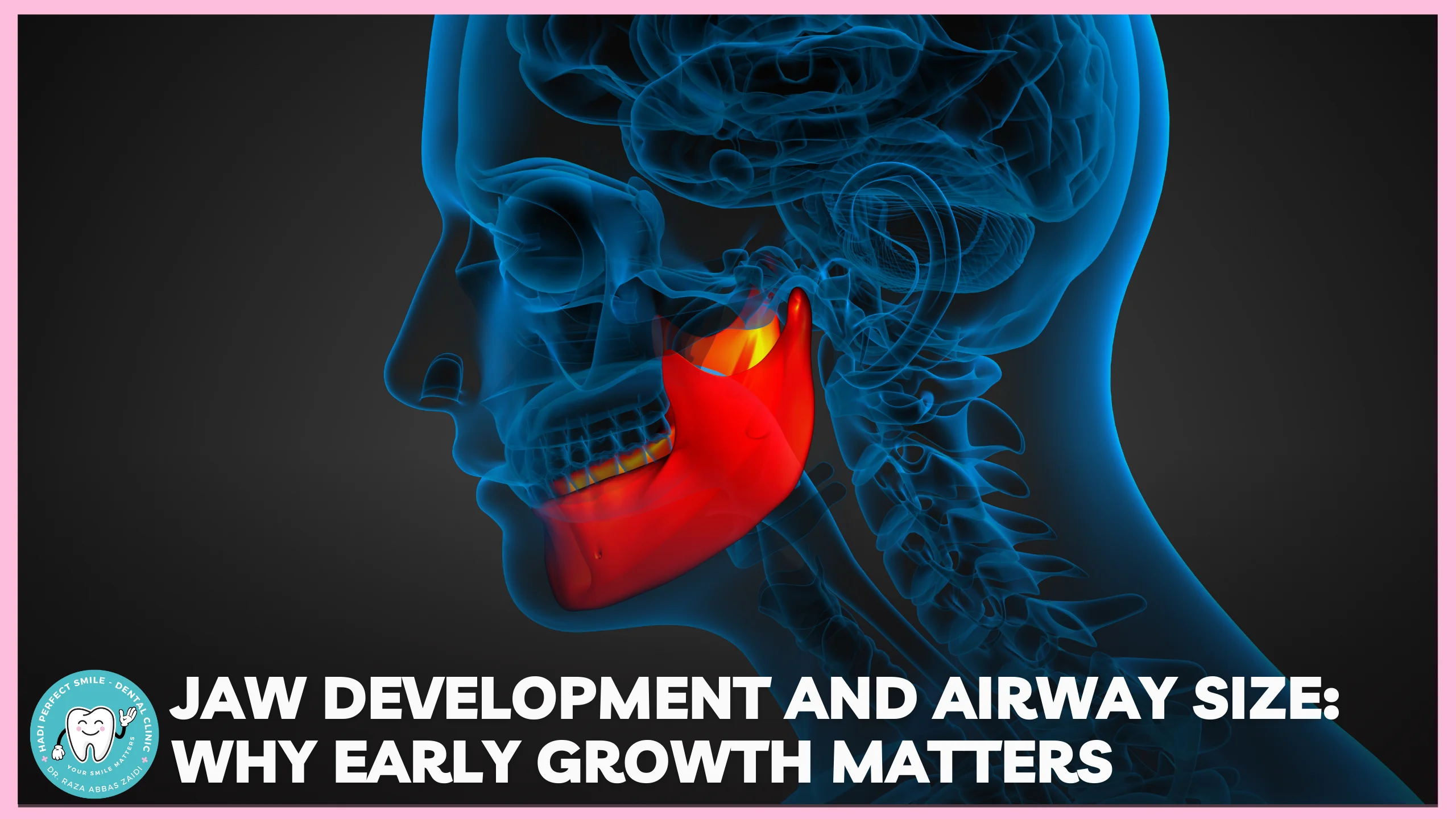
If the jaw is small, retruded, or misaligned, the airway becomes even smaller. This restriction reduces airflow, affecting oxygen levels and sleep quality.
🌬️ The Role of the Airway in Sleep
The airway is the passage through which air flows from the nose and mouth to the lungs. A healthy airway remains open during sleep. However, certain oral and jaw conditions can narrow this space.
When airflow is restricted:
- Breathing becomes noisy (snoring)
- Oxygen levels drop
- The brain repeatedly wakes the body
- Deep sleep is disrupted
This results in fatigue, headaches, irritability, and long-term health risks.
🦷 How Jaw Position Affects Sleep
Jaw alignment directly impacts airway size.
Retruded Lower Jaw
When the lower jaw sits too far back:
- The tongue moves backward
- The airway narrows
- Snoring increases
Narrow Upper Jaw
A high-arched palate reduces nasal space and promotes mouth breathing.
Overbite or Deep Bite
Improper alignment increases airway obstruction during sleep.
At Hadi Perfect Smile, we evaluate jaw relationships as part of sleep-related assessments.
😴 Mouth Breathing vs. Nasal Breathing
Nasal breathing is natural and healthy. Mouth breathing during sleep can indicate airway problems.
Mouth Breathing Can Cause:
- Dry mouth
- Increased cavities
- Gum disease
- Snoring
- Restless sleep
Children who mouth-breathe often show facial growth changes and may experience poor academic performance due to poor sleep quality.
🦷 Tongue Position and Sleep
The tongue occupies a significant amount of space in the mouth. During sleep, if the tongue lacks proper support from the jaw and palate, it may fall backward and block the airway.
Proper tongue posture:
- Rests on the palate
- Supports airway opening
- Encourages nasal breathing
Improper tongue posture contributes to:
- Snoring
- Sleep apnea
- Jaw tension
⚠️ What Is Sleep Apnea?
Sleep apnea is a serious sleep disorder where breathing repeatedly stops and starts during sleep.
Types:
- Obstructive Sleep Apnea (OSA) – most common
- Central Sleep Apnea
- Mixed Sleep Apnea
In OSA, the airway collapses or becomes blocked, often due to jaw and tongue positioning.
Symptoms include:
- Loud snoring
- Gasping during sleep
- Morning headaches
- Daytime fatigue
- Poor concentration
Dentists play an important role in screening for sleep apnea.
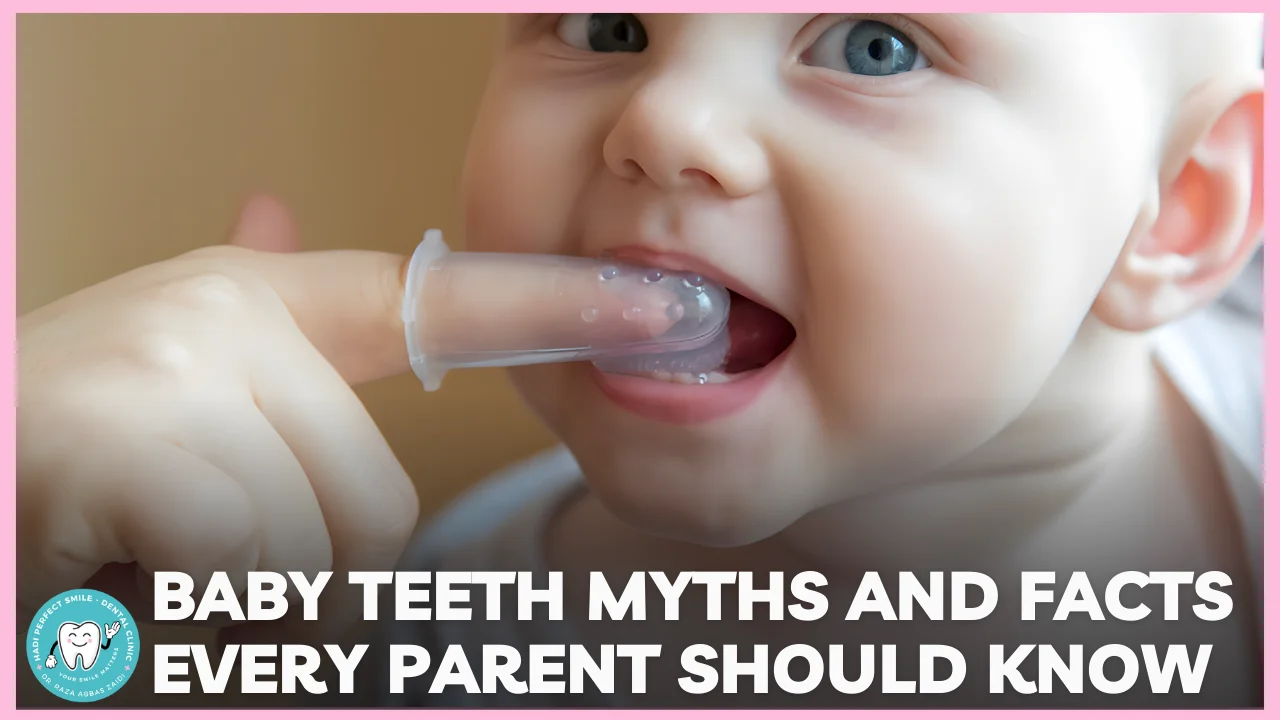
👶 Why Mouth and Jaw Development Matter in Children
Children with narrow jaws or poor oral posture may develop:
- Snoring
- Mouth breathing
- Bedwetting
- Behavioral issues
- Learning difficulties
Early intervention can improve both airway function and facial development.
At Hadi Perfect Smile, we encourage early evaluation for children showing sleep disturbances.
🧑 Mouth and Sleep in Adults
In adults, untreated oral and jaw issues can lead to:
- Chronic snoring
- TMJ pain
- Teeth grinding (bruxism)
- Worn teeth
- Daytime sleepiness
Many adults don’t realize that dental treatment can help manage sleep disorders.
🦷 Bruxism and Sleep Quality
Teeth grinding often occurs during sleep and is linked to airway restriction.
When the airway narrows:
- The brain activates jaw muscles
- Grinding occurs
- Teeth wear down
Treating the airway issue often reduces bruxism.
🔍 How Dentists Evaluate Sleep-Related Oral Problems
Evaluation may include:
- Bite analysis
- Jaw positioning assessment
- Tongue posture evaluation
- Airway space examination
- Sleep history discussion
At Hadi Perfect Smile Dental Clinic, we assess both structural and functional factors affecting sleep.
🛠️ Treatment Options for Mouth-Related Sleep Problems
1. Oral Appliance Therapy
Custom-made devices reposition the jaw to keep the airway open.
2. Orthodontic Treatment
Expanding narrow jaws can improve airway space.
3. Myofunctional Therapy
Exercises to improve tongue posture and breathing patterns.
4. Habit Correction
Addressing mouth breathing and poor oral posture.
5. Night Guards
Protect teeth in patients with sleep-related bruxism.
🦷 Long-Term Health Risks of Ignoring Sleep-Related Oral Issues
Poor sleep due to airway problems increases risk of:
- High blood pressure
- Heart disease
- Diabetes
- Obesity
- Depression
- Cognitive decline
Improving airway health improves overall well-being.
🏥 Why Choose Hadi Perfect Smile for Sleep-Related Dental Care?
At Hadi Perfect Smile – Dental Clinic, we believe dentistry goes beyond teeth alignment—it includes breathing, jaw health, and sleep quality.
Under Dr. Raza Abbas Zaidi, we provide:
- Comprehensive jaw evaluation
- Orthodontic and airway assessments
- Custom oral appliances
- Bruxism management
- Personalized treatment plans
We focus on improving both smiles and sleep.
Clinic Details
📍 Address:
J-3/100-A, J- Extension, Near Anar Wali Masjid, Laxmi Nagar, Delhi – 110092
📞 Call Us:
+91-7011690245
📧 Email:
contact@hadiperfectsmile.in
🌐 Website:
www.hadiperfectsmile.in
🌟 Final Thoughts
Your mouth plays a critical role in sleep quality. Jaw alignment, tongue posture, and airway size all determine how well you breathe at night. If you snore, wake up tired, grind your teeth, or experience sleep disturbances, your mouth may be part of the problem.
At Hadi Perfect Smile Dental Clinic, we are committed to improving not just your smile—but your sleep and overall health.
✨ Your Smile Matters. Your Sleep Matters Too.