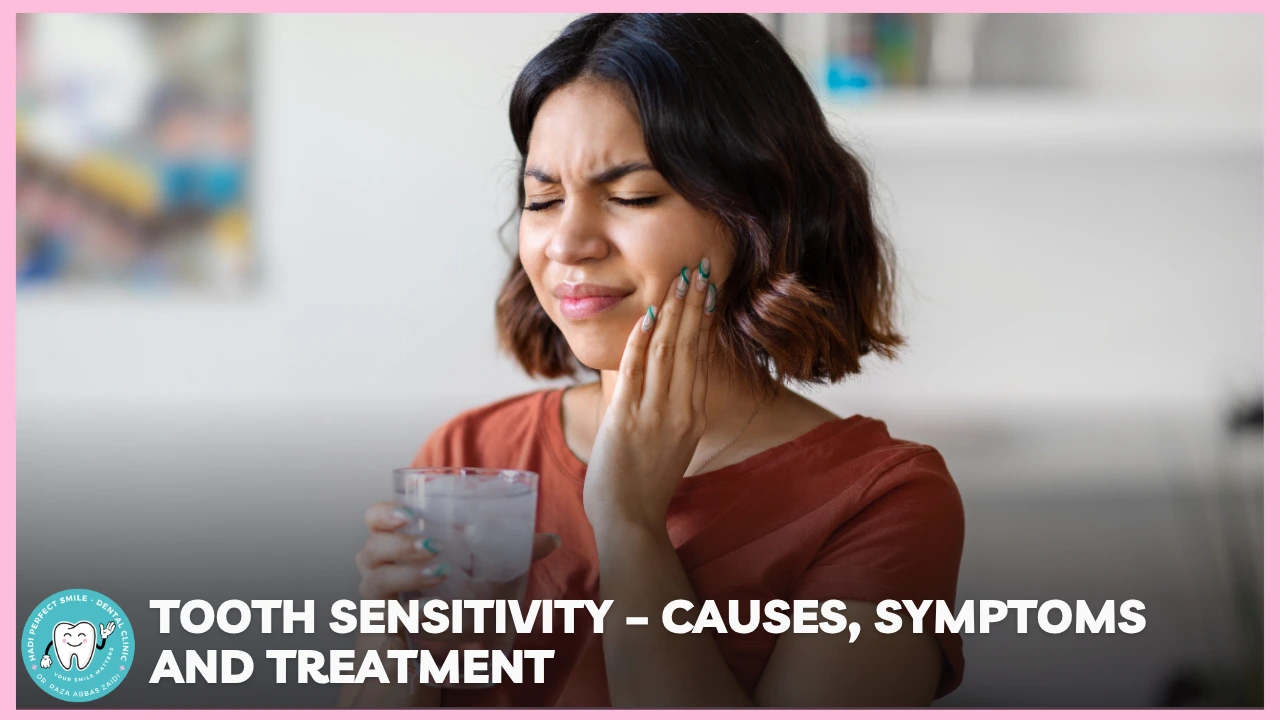
Have you ever experienced a sudden, sharp pain while enjoying an ice cream, sipping hot tea, or brushing your teeth? If so, you are not alone. Millions of people experience tooth sensitivity, a common dental problem that can make everyday activities uncomfortable. While occasional sensitivity may not seem serious, persistent or worsening discomfort can indicate an underlying dental condition that requires professional attention.
Many people ignore tooth sensitivity, assuming it is simply a normal part of aging or something that will disappear on its own. However, untreated sensitivity may be a sign of enamel erosion, tooth decay, gum recession, cracked teeth, or other oral health problems. Identifying the cause early allows for timely treatment and helps prevent more serious dental complications.
At Hadi Perfect Smile – Dental Clinic, we understand how uncomfortable sensitive teeth can be. Under the expert care of Dr. Raza Abbas Zaidi (Dentist & Dental Surgeon), our team provides accurate diagnosis, personalized treatment, and preventive care to help patients enjoy healthy, pain-free smiles.
This comprehensive guide explains everything you need to know about Tooth Sensitivity, including its causes, symptoms, diagnosis, treatment options, home care, and prevention.
What Is Tooth Sensitivity?
Tooth sensitivity, also known as dentin hypersensitivity, is a condition in which teeth produce a sudden, sharp pain in response to certain stimuli. These triggers often include hot or cold foods, sweet or acidic drinks, cold air, or even brushing and flossing.
Normally, the outer enamel protects the inner layers of the tooth. When enamel becomes worn or the gums recede, the dentin underneath becomes exposed. Dentin contains tiny microscopic tubules that connect directly to the nerve inside the tooth. When these tubules are exposed, external stimuli can easily reach the nerve, causing pain.
Although tooth sensitivity is common, it should never be ignored if it persists or becomes more severe.
How Healthy Teeth Protect Against Sensitivity
To understand why sensitivity occurs, it is helpful to understand the structure of a tooth.
Enamel
Enamel is the hard, protective outer layer of the tooth. It shields the inner tissues from heat, cold, pressure, and bacteria. Although enamel is the strongest substance in the human body, it cannot regenerate once it is lost.
Dentin
Beneath the enamel lies dentin, a softer layer filled with thousands of microscopic tubules. These tubules act as tiny channels leading toward the tooth’s nerve.
Pulp
The pulp is the innermost part of the tooth and contains nerves, blood vessels, and connective tissue. When external stimuli reach the pulp through exposed dentin, pain occurs.
Common Causes of Tooth Sensitivity
There are many reasons why teeth become sensitive. Identifying the underlying cause is essential for choosing the right treatment.
1. Enamel Erosion
Enamel gradually wears away due to acidic foods, soft drinks, citrus fruits, acid reflux, and aggressive brushing.
As enamel becomes thinner, the dentin underneath becomes exposed, increasing sensitivity.
2. Gum Recession
Healthy gums protect the roots of your teeth. When gums recede because of gum disease, aging, or improper brushing techniques, the tooth roots become exposed.
Unlike the crown of the tooth, the roots are not covered by enamel, making them much more sensitive.
3. Tooth Decay
Cavities can create openings in the enamel, allowing heat, cold, and bacteria to reach deeper layers of the tooth.
Sensitivity caused by decay often worsens over time if left untreated.
4. Cracked or Chipped Teeth
Even small cracks can expose dentin and allow bacteria to enter the tooth.
Patients often notice pain when biting or chewing.
5. Teeth Grinding (Bruxism)
Grinding or clenching your teeth, especially during sleep, gradually wears away enamel.
This increases the likelihood of developing tooth sensitivity.
6. Recent Dental Procedures
Some patients experience temporary sensitivity after:
- Teeth whitening
- Dental fillings
- Crowns
- Root planing
- Professional cleaning
This sensitivity usually improves within a few days or weeks.
7. Gum Disease
Periodontal disease damages the supporting tissues around the teeth.
As gums recede and bone loss occurs, tooth roots become exposed, leading to increased sensitivity.
8. Acidic Diet
Frequent consumption of:
- Soft drinks
- Energy drinks
- Citrus fruits
- Vinegar-based foods
- Wine
can gradually dissolve enamel and contribute to sensitivity.
Symptoms of Tooth Sensitivity
The primary symptom is a sudden, sharp pain that occurs when the teeth are exposed to certain triggers.
Common symptoms include:
- Pain while eating ice cream.
- Sensitivity to hot tea or coffee.
- Discomfort while drinking cold water.
- Pain when eating sweets.
- Sensitivity to acidic foods.
- Pain during brushing or flossing.
- Discomfort when breathing cold air.
Some people experience sensitivity in only one tooth, while others may notice it throughout the mouth.
Is Tooth Sensitivity a Serious Problem?
Not every case of tooth sensitivity indicates a serious condition. Temporary sensitivity can occur after dental treatment or teeth whitening.
However, persistent sensitivity should always be evaluated because it may indicate:
- Tooth decay.
- Gum disease.
- Cracked teeth.
- Worn enamel.
- Failing dental restorations.
- Infection.
Ignoring sensitivity may allow these conditions to worsen.
Risk Factors for Tooth Sensitivity
Several factors increase the likelihood of developing sensitive teeth, including:
- Poor oral hygiene.
- Aggressive brushing.
- Using a hard-bristled toothbrush.
- Frequent consumption of acidic foods.
- Gum disease.
- Teeth grinding.
- Smoking.
- Acid reflux.
- Aging.
Understanding these risk factors can help reduce future problems.
How Dentists Diagnose Tooth Sensitivity
At Hadi Perfect Smile Dental Clinic, diagnosing tooth sensitivity begins with a detailed examination.
Your dentist may:
- Review your symptoms.
- Examine your teeth and gums.
- Check for cavities.
- Look for enamel wear.
- Evaluate gum recession.
- Test tooth sensitivity.
- Take digital dental X-rays if needed.
Accurate diagnosis ensures that the underlying cause is treated rather than simply masking the symptoms.
Treatment Options for Tooth Sensitivity
Treatment depends on the cause of the sensitivity.
Desensitizing Toothpaste
Specially formulated toothpaste blocks nerve signals inside exposed dentin.
Regular use often reduces sensitivity within several weeks.
Fluoride Treatment
Professional fluoride applications strengthen enamel and reduce discomfort.
Dental Fillings
If cavities or worn areas expose dentin, fillings restore the tooth and eliminate sensitivity.
Dental Crowns
Teeth with extensive damage may require crowns to protect the remaining structure.
Gum Treatment
When gum recession or periodontal disease is responsible, gum therapy helps restore oral health.
Root Canal Treatment
If sensitivity results from severe nerve damage or infection, root canal treatment may be necessary to eliminate pain and preserve the tooth.
Home Care Tips for Sensitive Teeth
Patients can often reduce discomfort by making simple lifestyle changes.
Helpful tips include:
- Brush gently using a soft-bristled toothbrush.
- Use toothpaste designed for sensitive teeth.
- Floss daily.
- Limit acidic foods and beverages.
- Wear a night guard if you grind your teeth.
- Maintain regular dental checkups.
Consistency is the key to long-term improvement.
Foods That Help Protect Teeth
A healthy diet supports stronger teeth and reduces sensitivity.
Good choices include:
- Milk and dairy products.
- Cheese.
- Yogurt.
- Leafy green vegetables.
- Almonds.
- Eggs.
- Fish.
- Fresh fruits with low acidity.
- Plenty of water.
Calcium and vitamin D play important roles in maintaining healthy teeth.
Foods to Limit
To reduce tooth sensitivity, limit:
- Carbonated drinks.
- Citrus juices.
- Candy.
- Sticky sweets.
- Sour foods.
- Ice chewing.
- Sugary snacks.
Moderation helps protect enamel from erosion.
Can Tooth Sensitivity Be Prevented?
In many cases, yes.
Simple preventive habits include:
- Brushing twice daily with fluoride toothpaste.
- Flossing every day.
- Visiting your dentist every six months.
- Treating cavities early.
- Using a soft toothbrush.
- Avoiding excessive whitening products.
- Protecting teeth during sports.
- Managing teeth grinding with a custom night guard.
Preventive care is always more effective than treating advanced dental problems.
Why Choose Hadi Perfect Smile for Tooth Sensitivity Treatment?
At Hadi Perfect Smile – Dental Clinic, we provide comprehensive diagnosis and treatment for tooth sensitivity and other dental concerns.
Under the guidance of Dr. Raza Abbas Zaidi, our clinic offers:
- Digital dental X-rays.
- Comprehensive dental examinations.
- Fluoride treatments.
- Tooth-colored fillings.
- Root canal therapy.
- Gum disease treatment.
- Preventive dentistry.
- Personalized treatment plans.
Our patient-centered approach focuses on relieving discomfort while addressing the root cause of the problem.
Clinic Details
📍 Address:
J-3/100-A, J- Extension, Near Anar Wali Masjid, Laxmi Nagar, Delhi – 110092
📞 Call Us:
+91-7011690245
📧 Email:
contact@hadiperfectsmile.in
🌐 Website:
www.hadiperfectsmile.in
Final Thoughts
Tooth Sensitivity is more than just a temporary inconvenience—it can be an early warning sign of underlying dental issues that require professional attention. While sensitivity may result from worn enamel, gum recession, or temporary irritation, it can also indicate cavities, cracked teeth, or gum disease.
Seeking timely dental care helps identify the exact cause and prevents more serious complications in the future. With proper oral hygiene, healthy dietary habits, and regular dental checkups, most cases of tooth sensitivity can be effectively treated and prevented.
At Hadi Perfect Smile Dental Clinic, we are committed to helping patients achieve healthy, comfortable smiles through expert diagnosis, advanced treatment, and personalized preventive care.
Your Smile Matters.