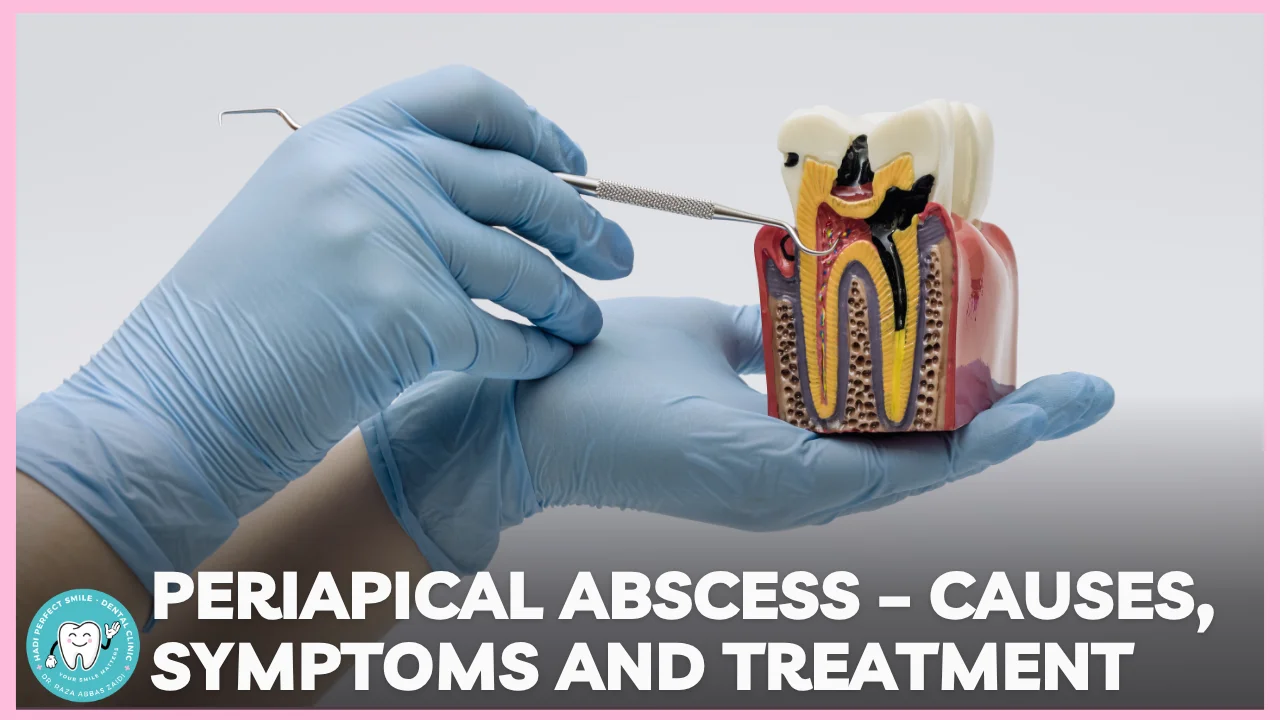
What Is a Periapical Abscess? Causes, Symptoms, and Treatment
A toothache is often easy to ignore in its early stages. Many people assume that occasional sensitivity or mild discomfort will disappear on its own. However, when a dental infection develops deep inside the tooth, it can become a serious condition known as a periapical abscess. This type of infection occurs at the tip of a tooth’s root and can cause severe pain, swelling, and even lead to complications if left untreated.
A periapical abscess is one of the most common dental emergencies seen in dental clinics. It develops when bacteria invade the inner part of the tooth, known as the pulp, and spread through the root canal to the surrounding bone. Without timely treatment, the infection can spread to nearby tissues and affect overall health.
At Hadi Perfect Smile – Dental Clinic, we believe that patient education is essential for preventing dental emergencies. Under the expert care of Dr. Raza Abbas Zaidi (Dentist & Dental Surgeon), patients receive comprehensive diagnosis, treatment, and preventive guidance to maintain healthy teeth and gums.
This blog explains everything you need to know about periapical abscesses, including their causes, symptoms, treatment options, and ways to prevent them.
Understanding a Periapical Abscess
A periapical abscess is a pocket of pus that forms at the tip of a tooth root due to a bacterial infection. The infection usually begins inside the tooth when bacteria enter through a cavity, crack, or damaged area of enamel.
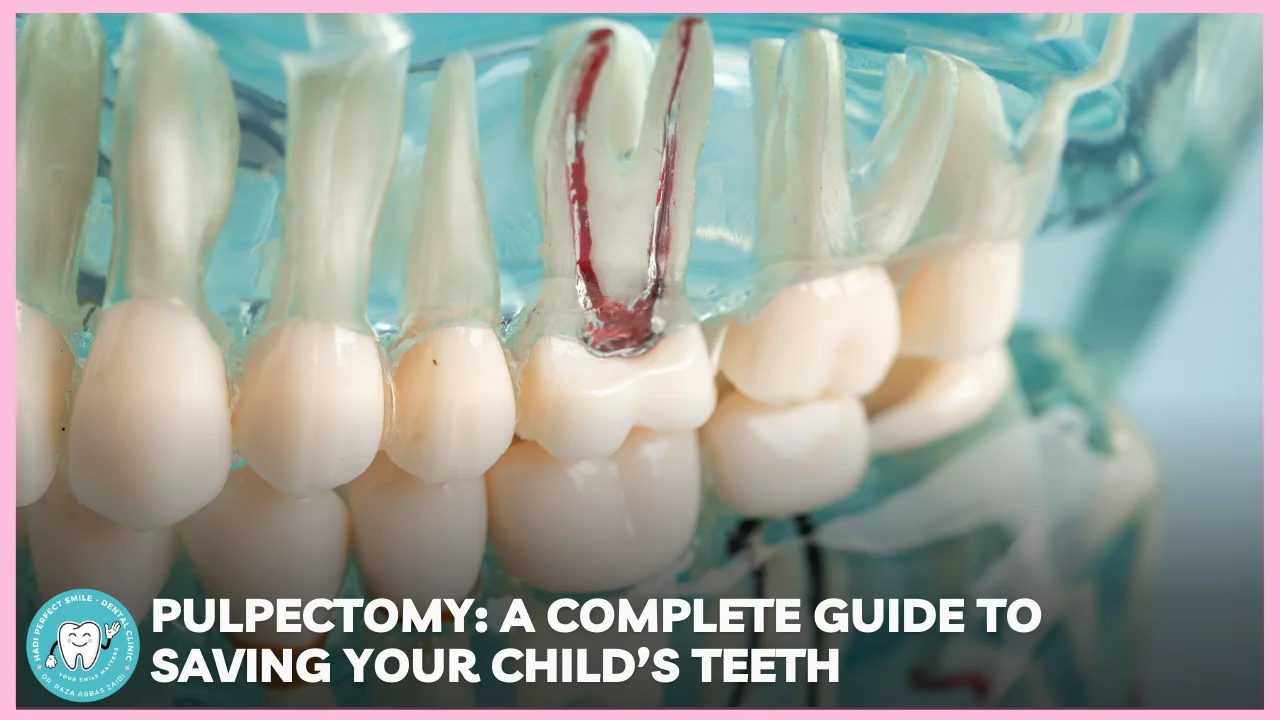
Inside every tooth is a soft tissue called the pulp. The pulp contains nerves, blood vessels, and connective tissues that keep the tooth alive. When bacteria reach the pulp, inflammation develops. If the infection is not treated, it travels through the root canal and reaches the surrounding bone, where an abscess forms.
Because the infection is located at the root tip, it is referred to as a “periapical” abscess. The condition can affect any tooth but is most commonly seen in teeth with untreated decay or trauma.
How Does a Periapical Abscess Develop?
The process usually starts with bacterial invasion of the tooth. Once bacteria enter the pulp, they multiply rapidly. The body’s immune system attempts to fight the infection, resulting in inflammation and pus formation.
As pressure builds inside the tooth and surrounding tissues, patients often experience severe pain. Eventually, the infection may spread beyond the tooth root and affect nearby gums, bone, and facial tissues.
Without treatment, the infection can continue to spread, potentially causing significant health complications.
Common Causes of a Periapical Abscess
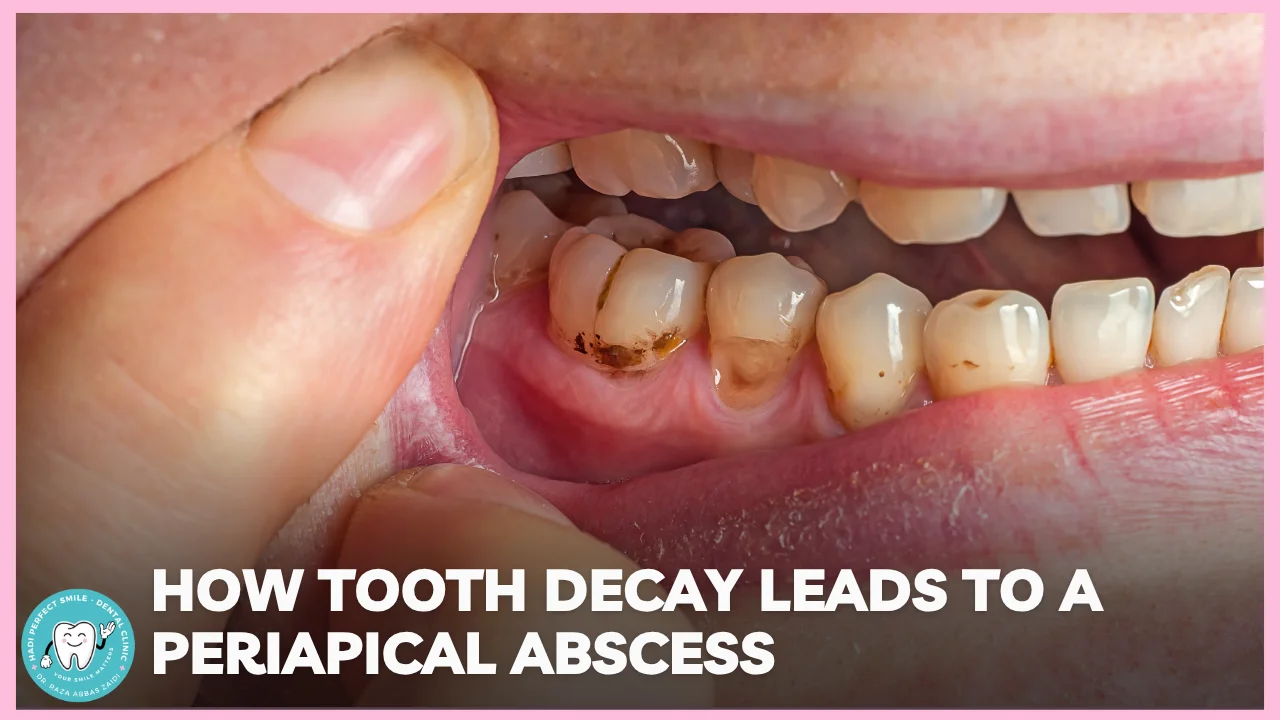
One of the most common causes of a periapical abscess is untreated tooth decay. Cavities create openings in the enamel that allow bacteria to reach the pulp.
A cracked or fractured tooth can also provide a pathway for bacteria. Even a small crack that is not visible to the naked eye can allow infection to enter the inner layers of the tooth.
Trauma to a tooth is another important cause. A blow to the mouth may damage the pulp, even if the tooth appears intact externally.
In some cases, previous dental procedures or failing dental restorations may contribute to bacterial leakage and infection.
Poor oral hygiene significantly increases the risk because plaque and bacteria remain on the teeth for extended periods, leading to decay and gum disease.
Signs and Symptoms of a Periapical Abscess
The symptoms of a periapical abscess can range from mild discomfort to severe pain. The most common symptom is a persistent, throbbing toothache that may worsen over time.
Many patients report pain that radiates to the jaw, ear, or neck. The discomfort often becomes more noticeable when chewing or biting.
Swelling around the affected tooth or gum is another common sign. In some cases, swelling may extend to the face or cheek.
Patients may also notice increased sensitivity to hot or cold foods and beverages. Unlike ordinary sensitivity, the discomfort often lingers even after the stimulus is removed.
A bad taste in the mouth or foul-smelling breath may occur if the abscess begins draining pus into the oral cavity.
As the infection progresses, fever and general fatigue may develop, indicating that the body is fighting a significant infection.
Why a Periapical Abscess Should Never Be Ignored
Many people assume that if the pain decreases, the problem has resolved. However, this is not always true.
Sometimes the pressure inside the abscess decreases when pus finds a pathway to drain. While this may temporarily reduce pain, the infection remains active and can continue spreading.
Untreated abscesses may cause destruction of surrounding bone and damage adjacent teeth. In severe cases, the infection can spread to facial spaces, the jaw, and even other parts of the body.
Prompt dental treatment is essential to prevent complications and preserve oral health.
How Is a Periapical Abscess Diagnosed?
Diagnosis begins with a thorough dental examination. The dentist evaluates symptoms, checks for swelling, and assesses the affected tooth.
Dental X-rays play a critical role in diagnosis because they reveal bone loss and infection around the root tip. X-rays also help determine the extent of the infection and guide treatment planning.
At Hadi Perfect Smile Dental Clinic, modern diagnostic techniques ensure accurate identification of dental infections and effective treatment recommendations.
Treatment Options for a Periapical Abscess
The primary goal of treatment is to eliminate infection, relieve pain, and preserve the natural tooth whenever possible.
Root Canal Treatment
Root canal treatment is often the preferred option when the tooth can be saved. During the procedure, the infected pulp is removed, the root canals are cleaned and disinfected, and the tooth is sealed to prevent reinfection.
Modern root canal therapy is highly successful and allows patients to keep their natural teeth.
Abscess Drainage
If significant swelling is present, the dentist may drain the abscess to remove accumulated pus. This helps relieve pressure and reduce pain.
Antibiotic Therapy
Antibiotics may be prescribed when the infection has spread beyond the tooth or when swelling is extensive. While antibiotics help control infection, they do not replace definitive dental treatment.
Tooth Extraction
In situations where the tooth is severely damaged and cannot be restored, extraction may be necessary. After removal, replacement options such as dental implants or bridges can be considered.
Recovery After Treatment
Most patients experience significant relief shortly after treatment. Mild tenderness may persist for a few days but usually improves quickly.
Following the dentist’s instructions is important for proper healing. Patients should maintain good oral hygiene, complete prescribed medications, and attend follow-up appointments if recommended.
Avoiding hard foods on the treated side for a short period can help minimize discomfort during recovery.
Can a Periapical Abscess Be Prevented?
The good news is that most periapical abscesses are preventable.
Regular brushing and flossing help remove plaque and reduce bacterial buildup. Visiting the dentist for routine examinations allows cavities and other problems to be identified before they progress.
Prompt treatment of tooth decay, cracks, and dental trauma significantly reduces the risk of infection.
A healthy diet that limits sugary foods and beverages also supports long-term oral health.
At Hadi Perfect Smile, preventive dentistry is a major focus because preventing disease is always easier than treating it.
Periapical Abscesses in Children
Children can also develop periapical abscesses, particularly when cavities are left untreated. Some parents mistakenly believe baby teeth do not require treatment because they will eventually fall out.
However, infections in baby teeth can cause pain, affect eating and speech, and potentially impact the development of permanent teeth. Early dental care is essential for protecting children’s oral health.
Periapical Abscesses in Adults
Adults often develop abscesses due to untreated cavities, cracked teeth, or failing dental restorations. Conditions such as dry mouth, smoking, and poor oral hygiene can increase the risk.
Regular dental checkups remain one of the most effective ways to prevent serious infections.
Why Choose Hadi Perfect Smile for Dental Infection Treatment?
At Hadi Perfect Smile – Dental Clinic, we are committed to providing high-quality dental care using modern techniques and a patient-centered approach.
Under the guidance of Dr. Raza Abbas Zaidi, our clinic offers:
- Comprehensive dental examinations
- Digital dental X-rays
- Root canal treatments
- Emergency dental care
- Preventive dentistry
- Personalized treatment plans
We focus on relieving pain, eliminating infection, and preserving natural teeth whenever possible.
Clinic Details
📍 Address:
J-3/100-A, J- Extension, Near Anar Wali Masjid, Laxmi Nagar, Delhi – 110092
📞 Call Us:
+91-7011690245
📧 Email:
contact@hadiperfectsmile.in
🌐 Website:
www.hadiperfectsmile.in
Final Thoughts
A periapical abscess is a serious dental infection that should never be ignored. What may begin as a small cavity or minor tooth problem can quickly develop into a painful and potentially dangerous condition if left untreated.
Recognizing the symptoms early and seeking professional dental care can prevent complications and help save the affected tooth. Regular dental visits, good oral hygiene, and prompt treatment of dental problems remain the best defenses against tooth infections.
At Hadi Perfect Smile Dental Clinic, we are dedicated to helping patients maintain healthy smiles through preventive care, early diagnosis, and advanced treatment solutions.
Your Smile Matters.