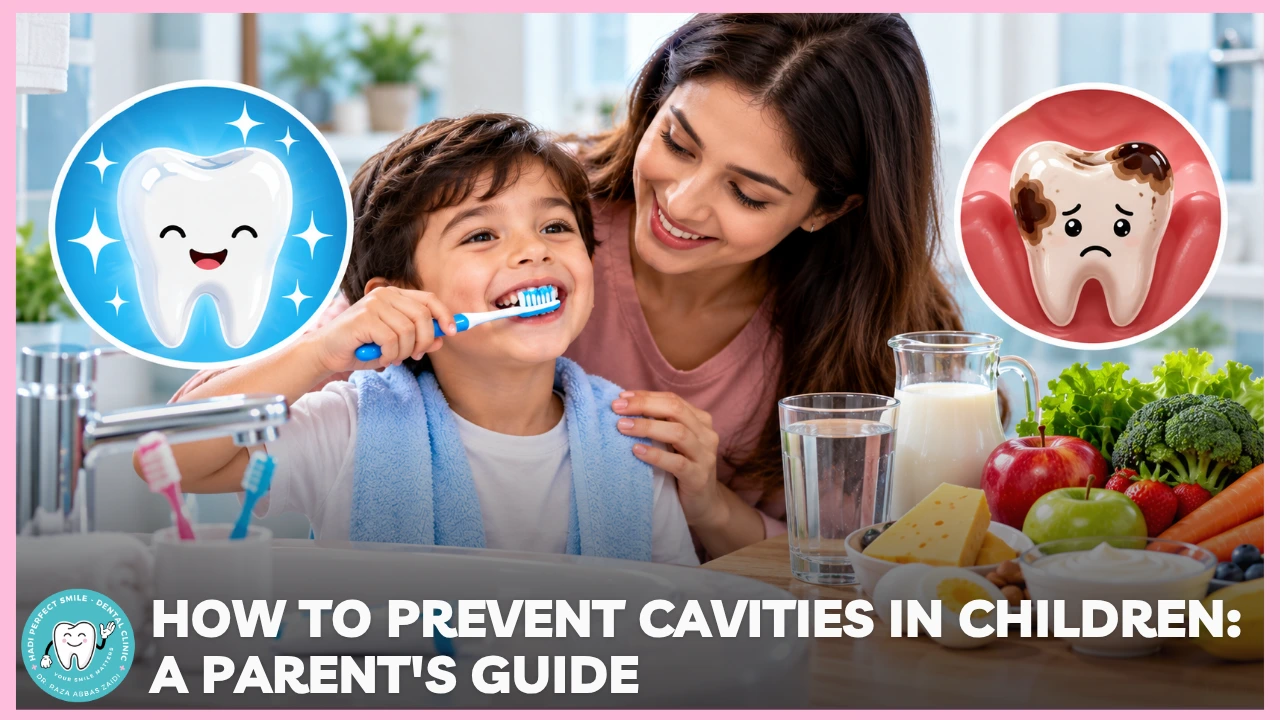
How to Prevent Cavities in Children: A Parent’s Guide
Every parent wants their child to grow up with a healthy, confident smile. However, cavities are among the most common dental problems affecting children. They can develop in baby teeth as well as permanent teeth, causing pain, difficulty eating, disturbed sleep, and sometimes more complicated dental problems if left untreated.
The good news is that many cavities can be prevented through simple daily habits, a balanced diet, appropriate fluoride use, and regular dental checkups. Understanding how to prevent cavities in children helps parents protect their child’s teeth from an early age and establish oral hygiene habits that can last a lifetime.
At Hadi Perfect Smile – Dental Clinic, we believe that prevention is the foundation of good oral health. Under the care of Dr. Raza Abbas Zaidi (Dentist & Dental Surgeon), our clinic encourages parents to take an active role in their children’s dental care through early examinations, healthy lifestyle choices, and timely treatment when needed.
This parent’s guide explains what causes cavities in children, how to prevent them, which foods to limit, how to brush children’s teeth correctly, and when to visit a dentist.
What Are Cavities in Children?
A cavity is a damaged area in a tooth caused by tooth decay. It develops when acids gradually weaken and break down the tooth’s protective enamel.
Our mouths naturally contain bacteria. When children eat or drink foods containing sugars, bacteria in dental plaque use those sugars and produce acids. These acids remove minerals from the enamel. This process is called demineralisation.
Saliva and fluoride help restore some of these minerals through remineralisation. However, when acid attacks happen frequently and the tooth cannot recover adequately, the damage can progress and form a cavity.
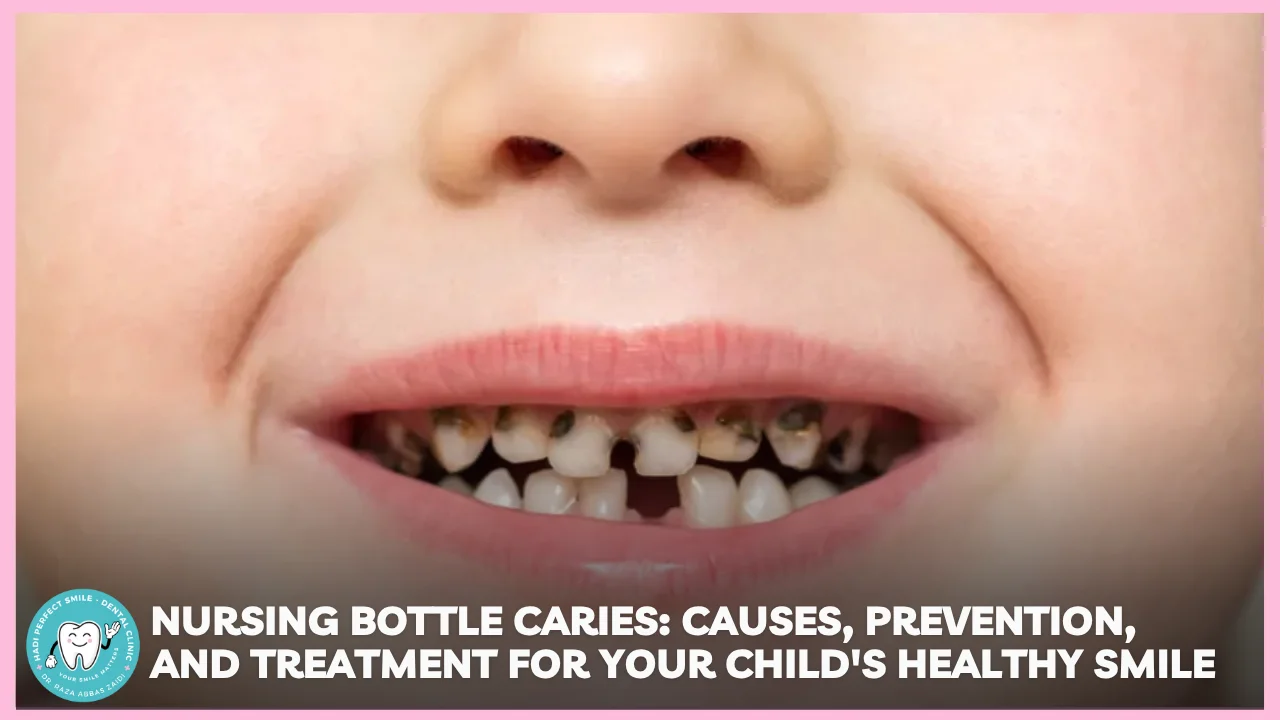
Cavities can affect the front teeth, back teeth, baby teeth, and permanent teeth. Early decay may appear as white, chalky spots, while more advanced decay can cause brown or black areas, visible holes, sensitivity, or pain.
Why Is It Important to Prevent Cavities in Baby Teeth?
Some parents believe that baby teeth do not need much attention because they eventually fall out. This is a common misconception.
Baby teeth play several important roles in a child’s development. They help children chew food, speak clearly, maintain space for permanent teeth, and support normal dental development.
When a baby tooth develops a cavity, the decay can progress quickly because primary teeth have thinner enamel and dentin than permanent teeth. Untreated decay can cause pain, infection, and premature tooth loss.
Losing a baby tooth too early may also affect the space available for the permanent tooth developing underneath it.
Therefore, learning how to prevent cavities in children is important from the time the first baby tooth appears.
1. Start Brushing as Soon as the First Tooth Appears
One of the most effective ways to prevent cavities is to begin oral hygiene early.
Parents should start brushing as soon as their baby’s first tooth emerges. Use a small, soft-bristled toothbrush designed for infants and brush gently twice daily.
For babies and young children, brushing should be performed by a parent or caregiver. Children gradually develop the coordination needed to brush independently, but most need supervision and assistance well into their school years.
Make brushing a regular part of the morning and bedtime routine. Keeping the routine consistent helps children understand that brushing is a normal part of everyday care.
Do not wait until all the baby teeth have erupted before beginning oral hygiene.
2. Use Fluoride Toothpaste Correctly
Fluoride is one of the most effective tools for preventing tooth decay. It helps strengthen enamel, supports remineralisation, and makes teeth more resistant to acid attacks.
Parents should use fluoride toothpaste in an age-appropriate amount.
- Children younger than 3 years: Use a smear of toothpaste approximately the size of a grain of rice.
- Children aged 3–6 years: Use a pea-sized amount of toothpaste.
An adult should dispense the toothpaste and supervise brushing to minimise swallowing. Encourage the child to spit out the toothpaste when able, rather than swallowing it.
Do not assume that children’s toothpaste is automatically fluoride-containing. Check the product label and ask your dentist which formulation is appropriate for your child.
Avoid using excessive toothpaste, as swallowing too much fluoride over time while teeth are developing can contribute to dental fluorosis.
3. Brush Twice Daily for Two Minutes
Brushing once a day is not enough to provide the best protection against plaque accumulation.
Children should brush twice daily, particularly before bedtime and at one other convenient time, usually in the morning.
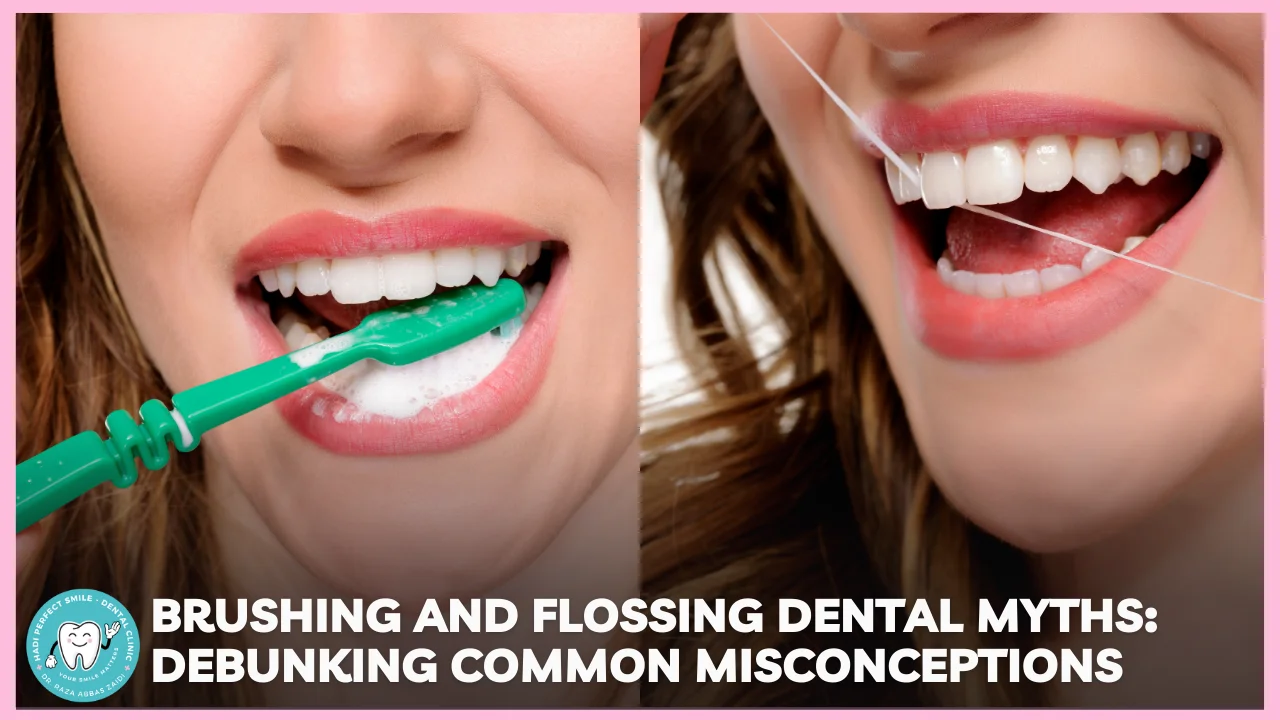
Aim for approximately two minutes per brushing session. Clean all tooth surfaces, including the outer, inner, and chewing surfaces. Use gentle circular movements along the gum line and avoid scrubbing aggressively.
The bedtime brushing routine is especially important because food debris and plaque can remain on teeth overnight.
After brushing at night, offer only plain water if the child needs a drink. Avoid giving milk, juice, or sweetened drinks afterward unless feeding needs or medical advice indicate otherwise.
4. Help Children Clean Between Their Teeth
A toothbrush cannot always reach the spaces between teeth, particularly when neighbouring teeth touch.
Food debris and plaque can accumulate in these areas, increasing the risk of decay between teeth.
Once two teeth touch, parents should clean between them daily using dental floss or another age-appropriate interdental cleaning aid.
Young children generally need an adult to perform this task. Ask your dentist to demonstrate the correct technique so that the gums are cleaned without injury.
Cleaning between teeth is an important part of a complete oral hygiene routine, not an optional extra.
5. Reduce Sugary Foods and Drinks
Frequent exposure to sugar is a major risk factor for tooth decay.
When children consume sugary foods and drinks, plaque bacteria produce acids that attack enamel. The frequency of exposure matters because repeated snacking can leave teeth facing acid attacks throughout the day.
Foods and drinks to limit include:
- Candies and toffees.
- Chocolates and sugary desserts.
- Cakes, biscuits, and sweet pastries.
- Sugary breakfast cereals.
- Soft drinks and fizzy beverages.
- Sweetened packaged juices.
- Flavoured drinks containing added sugar.
- Sticky sweets that cling to teeth.
Children do not need to be completely deprived of every treat. However, keep sugary foods occasional and preferably serve them with meals rather than allowing repeated snacking between meals.
Check food labels for added sugars, which may appear under names such as sucrose, glucose syrup, fructose, or other sweetening ingredients.
6. Make Water the Main Drink
Plain water is one of the best everyday drinks for children’s teeth.
It helps wash away loose food particles, supports saliva’s natural protective functions, and does not expose teeth to sugar or dietary acids.
Encourage children to drink water throughout the day, particularly after meals and snacks.
Milk can also be part of a balanced diet, but avoid prolonged exposure to milk or formula from a bottle, especially during sleep. Do not put a baby to bed with a bottle containing juice or sweetened drinks.
Fruit juice, even when it contains no added sugar, contains naturally occurring sugars and may contribute to decay when consumed frequently. Whole fruit is generally a better choice.
7. Offer a Balanced, Tooth-Friendly Diet
A healthy diet supports the development of teeth and the tissues that surround them.
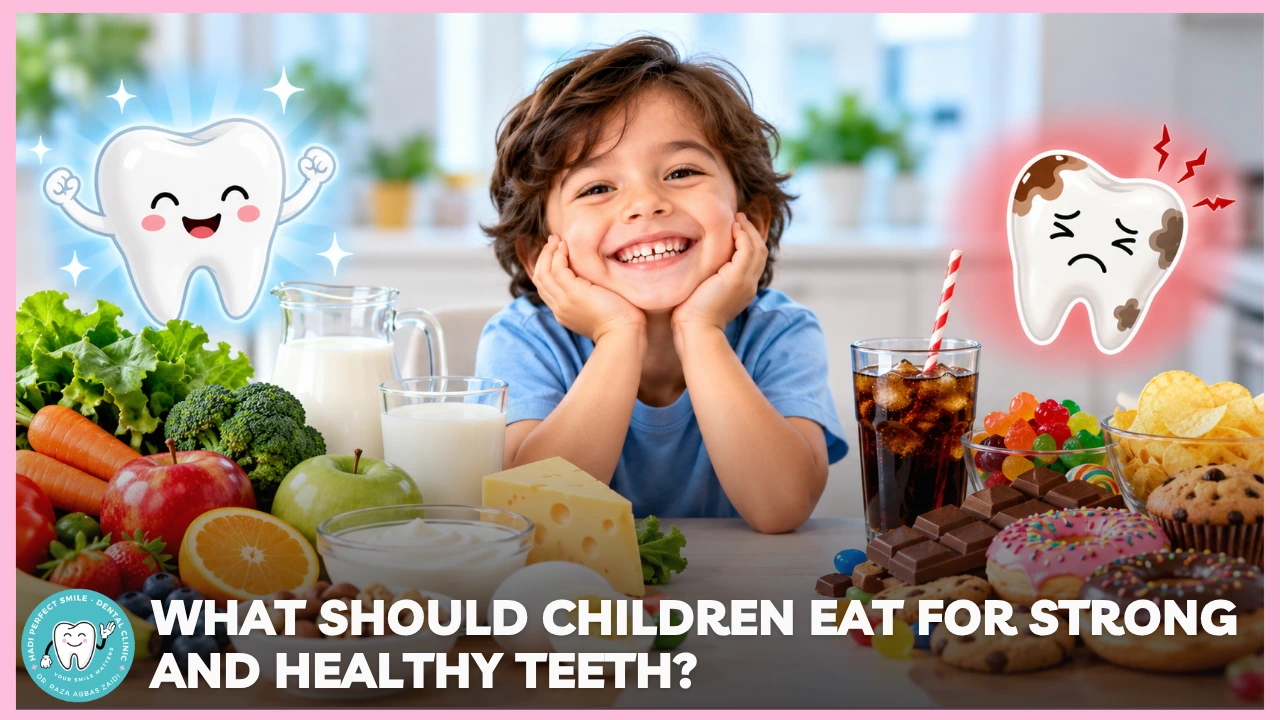
Include a variety of nutritious foods such as dairy products, vegetables, whole fruits, eggs, lentils, beans, fish, and whole grains.
Calcium supports healthy teeth and bones. Vitamin D helps the body absorb calcium, while vitamin C supports healthy gum tissue.
Plain yogurt and cheese can be useful snacks. Whole fruits and vegetables offer nutrients and fibre without the added sugars found in many packaged snacks.
Remember that no single food can prevent cavities. The overall eating pattern, frequency of sugar exposure, fluoride use, and oral hygiene habits all contribute to dental health.
8. Avoid Putting Babies to Bed With Sugary Drinks
Early childhood caries, sometimes called baby bottle tooth decay, can develop when young teeth are exposed frequently to sugary liquids.
Prolonged or repeated exposure to milk, formula, juice, or other drinks containing sugars—especially during sleep—can increase the risk of decay.
To reduce this risk, avoid putting your baby to bed with a bottle containing juice or sweetened drinks. If a bottle is needed for feeding, follow appropriate infant-feeding guidance and discuss concerns with your healthcare professional.
After the first tooth erupts, brush it twice daily using an appropriate amount of fluoride toothpaste.
Parents should also ask their dentist for advice about nighttime feeding, especially when frequent feeding continues after teeth appear.
9. Schedule the First Dental Visit Early
Children should have their first dental visit by their first birthday or within six months after the first tooth appears, whichever comes first.
An early dental visit allows the dentist to assess tooth development, identify early signs of decay, discuss fluoride, and demonstrate appropriate brushing techniques.
These visits also help parents understand feeding practices, oral habits, and ways to reduce the risk of cavities.
At Hadi Perfect Smile – Dental Clinic, parents can seek guidance about their child’s developing teeth, preventive care, and appropriate treatment options.
Regular checkups should continue as recommended by the dentist, based on the child’s oral health and individual risk of decay.
10. Ask About Professional Fluoride Treatments
Some children have a higher risk of developing cavities because of previous decay, enamel defects, frequent sugar exposure, or difficulty maintaining oral hygiene.
In these cases, a dentist may recommend professional fluoride varnish or other preventive measures.
Fluoride varnish is applied to the teeth by a dental professional and helps strengthen enamel. The frequency of application depends on the child’s age and cavity risk.
Professional fluoride treatment does not replace brushing with fluoride toothpaste. Instead, it can provide additional protection when appropriate.
Parents should discuss the benefits and suitability of preventive treatments during their child’s dental examination.
11. Consider Dental Sealants for Permanent Molars
The chewing surfaces of back teeth contain small grooves and pits where food debris and plaque can accumulate.
Dental sealants are thin protective coatings applied to the grooves of suitable teeth. They help prevent food and bacteria from collecting in areas that are difficult to clean.
Sealants are commonly considered for permanent molars as they erupt, particularly in children at increased risk of decay. In some situations, sealants may also be suitable for baby teeth.
Your dentist can determine whether sealants are appropriate for your child.
12. Make Oral Hygiene Fun and Consistent
Children are more likely to maintain healthy habits when brushing becomes enjoyable rather than a daily struggle.
Parents can make oral hygiene easier by choosing a toothbrush with a child-friendly design, using a two-minute timer, playing a brushing song, or creating a simple routine chart.
Allow children to choose their toothbrush, while adults remain responsible for ensuring that brushing is effective.
Praise effort and consistency rather than focusing only on perfect results.
The aim is to establish a lifelong habit that protects the child’s teeth and builds confidence in caring for their own health.
13. Protect Teeth During Sports and Play
Preventing cavities is important, but protecting teeth from physical injury is also part of maintaining a healthy smile.
Children who participate in contact sports or activities with a risk of facial impact may benefit from a properly fitted mouthguard.
Dental injuries can damage enamel, fracture teeth, or affect the tissues inside them. Some injuries may not cause immediate pain, so dental evaluation is important after a significant impact.
A dentist can advise parents about suitable protective equipment for their child’s activity.
14. Recognise Early Signs of Tooth Decay
Early detection can make dental treatment simpler and help prevent more extensive damage.
Parents should look for changes such as:
- White or chalky spots near the gum line.
- Brown or black areas on teeth.
- Visible holes or rough areas.
- Sensitivity to cold, hot, or sweet foods.
- Pain while eating.
- Persistent bad breath.
- Swollen gums or facial swelling.
Not every discoloured spot is a cavity, and early decay may not cause pain. A dental examination is needed to determine the cause.
If your child has persistent toothache, arrange a prompt dental appointment. Facial swelling, fever with dental pain, or signs of spreading infection require urgent assessment. Difficulty breathing or swallowing is a medical emergency.
15. Avoid Common Cavity-Prevention Mistakes
Even well-intentioned parents can unknowingly increase their child’s risk of tooth decay.
Common mistakes include allowing children to brush without supervision before they can do it effectively, using too much toothpaste, giving frequent sweet drinks, and assuming that baby teeth do not require treatment.
Another mistake is waiting until a child experiences pain before visiting the dentist. Cavities can develop without noticeable symptoms during their early stages.
Consistent prevention is more effective than relying on treatment after damage has occurred.
A Simple Daily Routine to Prevent Cavities in Children
A predictable daily routine makes healthy habits easier to maintain.
Morning: Brush with fluoride toothpaste and eat a balanced breakfast.
During the day: Offer water as the main drink, serve nutritious meals, and keep sugary snacks occasional.
After meals: Encourage water and maintain a regular eating routine rather than continuous grazing.
Evening: Brush thoroughly with fluoride toothpaste and clean between teeth where they touch.
Regularly: Attend dental checkups and follow the dentist’s recommendations for fluoride, sealants, and other preventive care.
The routine should be adapted to the child’s age, feeding needs, and individual oral health requirements.
Why Choose Hadi Perfect Smile for Your Child’s Dental Care?
At Hadi Perfect Smile – Dental Clinic, we believe that every child deserves the opportunity to grow up with a healthy smile.
Under the care of Dr. Raza Abbas Zaidi (Dentist & Dental Surgeon), we emphasise preventive dentistry, early diagnosis, and practical guidance for parents.
Our dental care approach includes oral examinations, cavity assessment, advice on brushing and fluoride use, preventive treatment recommendations, and guidance on maintaining healthy teeth and gums.
By combining regular professional care with healthy habits at home, parents can significantly reduce their child’s risk of tooth decay.
Clinic Details
📍 Address:
J-3/100-A, J- Extension, Near Anar Wali Masjid, Laxmi Nagar, Delhi – 110092
📞 Call Us:
+91-7011690245
📧 Email:
contact@hadiperfectsmile.in
🌐 Website:
www.hadiperfectsmile.in
Final Thoughts
Learning how to prevent cavities in children begins with small, consistent steps. Brushing twice daily with an appropriate amount of fluoride toothpaste, cleaning between teeth, limiting frequent sugary snacks, choosing water as the main drink, and attending regular dental checkups can make a meaningful difference.
Parents should remember that baby teeth are important and deserve the same attention as permanent teeth. Early dental visits help identify potential problems, provide personalised prevention advice, and establish positive dental habits.
At Hadi Perfect Smile Dental Clinic, we are committed to helping parents protect their children’s oral health through preventive care, education, and timely dental treatment.
Start building healthy habits today to help your child enjoy a stronger, healthier smile for years to come.
Your Smile Matters.