What Should Children Eat for Strong and Healthy Teeth? Foods to Avoid for Healthy Teeth in Children
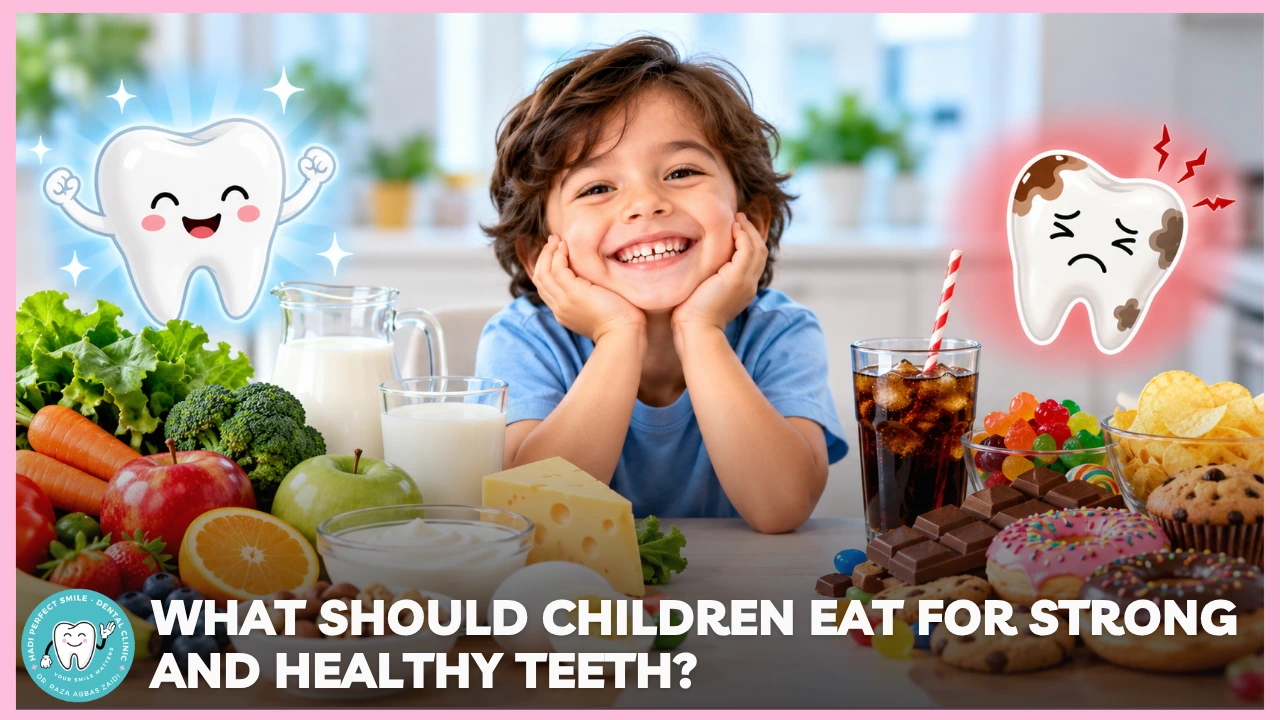
Every parent wants their child to grow up healthy, happy, and confident. While balanced nutrition is essential for a child’s overall growth, it also plays a major role in developing strong teeth and healthy gums. The foods children eat every day can help strengthen their tooth enamel, support jaw development, and reduce the risk of dental problems such as cavities and gum inflammation.
However, many children regularly consume chocolates, candies, packaged snacks, sweetened drinks, and sticky foods. When these foods are eaten frequently, especially between meals, they can increase the risk of tooth decay. This is why parents should understand what children should eat for strong and healthy teeth and which foods are best limited to protect their child’s smile.
At Hadi Perfect Smile – Dental Clinic, we believe that good oral health begins with early education, healthy eating habits, and regular dental checkups. Under the care of Dr. Raza Abbas Zaidi (Dentist & Dental Surgeon), our goal is to help parents make informed decisions about their children’s dental health and establish habits that support healthy smiles for years to come.
In this guide, we will explore the best foods for children’s teeth, the nutrients that support strong enamel, foods and drinks to limit, and practical tips for building a tooth-friendly diet.
Why Is Nutrition Important for Children’s Teeth?
Children’s teeth develop throughout infancy and childhood. Good nutrition provides the minerals, vitamins, and other nutrients required for healthy tooth development, strong enamel, and healthy gum tissues.
Tooth enamel is the hard outer layer that protects teeth from daily chewing and acid attacks. Although enamel is highly mineralised, it can gradually lose minerals when exposed to acids produced by bacteria in dental plaque. Saliva and fluoride help protect teeth by supporting remineralisation, the natural process through which minerals are restored to weakened enamel.
A balanced diet supports this process, but diet alone cannot prevent every cavity. Regular brushing with fluoride toothpaste, cleaning between teeth when appropriate, and routine dental examinations remain essential.
Healthy eating habits established during childhood can also reduce the risk of future dental problems and support overall growth.
1. Milk and Dairy Products
Milk, plain yogurt, and cheese are excellent choices for a tooth-friendly diet, provided the child can safely consume dairy products.
These foods provide calcium, which is essential for building and maintaining strong teeth and bones. Dairy products also contain other nutrients that support growth.
Cheese has an additional benefit: eating it can stimulate saliva production. Saliva helps wash away food particles, neutralise acids, and support the natural repair of early enamel damage.
Parents can offer plain yogurt without added sugar, small pieces of cheese appropriate for the child’s age, and milk as part of balanced meals.
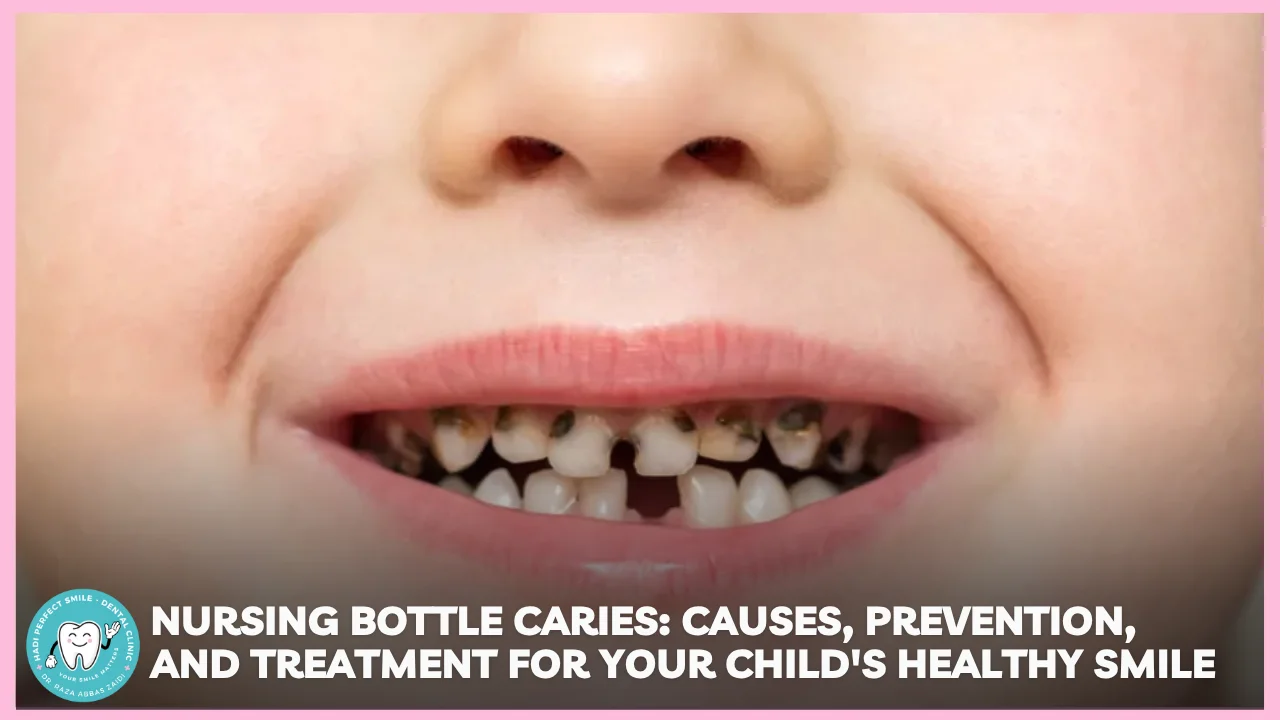
Avoid adding sugar, flavoured syrups, or sweetened powders to dairy products unnecessarily. Also, never put a baby to bed with a bottle containing milk, formula, juice, or another sugary drink, because prolonged exposure can increase the risk of early childhood tooth decay.
2. Leafy Green Vegetables
Leafy vegetables such as spinach, broccoli, and other locally available greens provide vitamins, minerals, and fibre.
Calcium contributes to healthy tooth and bone development, while vitamin C supports healthy gums and the body’s normal tissue repair processes.
Vegetables are also generally low in free sugars, making them a useful alternative to sweetened snacks.
For younger children, cook vegetables until soft and cut them into age-appropriate pieces. Older children can enjoy vegetables in salads, soups, vegetable parathas, or other balanced meals.
Remember that no single vegetable can prevent cavities. The benefit comes from including a variety of vegetables as part of a nutritious diet.
3. Fresh Fruits
Fruits provide vitamins, minerals, water, and fibre. Apples, pears, bananas, papaya, and other whole fruits can be included in a child’s daily meals and snacks.
Whole fruit is generally preferable to juice because it retains its fibre and usually takes longer to eat. Eating whole fruit also avoids delivering a concentrated amount of fruit sugar in a drink.
Some fruits, such as oranges and other citrus fruits, are acidic. They can still be part of a healthy diet, but frequent exposure to acidic foods and drinks may contribute to enamel erosion.
After eating acidic fruit, encourage children to drink water. It is best to wait around 30 minutes before brushing to avoid brushing softened enamel.
Parents should also remember that fruit can pose choking risks for young children. Grapes and similar round fruits should be cut lengthwise into small, safe pieces, and children should eat while seated and supervised.
4. Nuts and Seeds
Nuts and seeds contain nutrients such as protein, healthy fats, magnesium, and other minerals that contribute to overall growth.
For older children who can chew safely, finely chopped nuts or thinly spread smooth nut butter can be nutritious additions to meals.
However, whole nuts are a choking hazard for young children, especially those under five. Avoid offering whole nuts to children who cannot chew them safely, and follow age-appropriate feeding guidance.
Nuts and seeds do not directly repair cavities, but they can be part of a balanced diet that supports healthy development.
5. Eggs, Fish, and Other Protein-Rich Foods
Protein is essential for children’s growth and tissue development. Eggs, fish, lentils, beans, chickpeas, tofu, and other suitable protein sources help meet children’s nutritional needs.
Some of these foods also supply nutrients important for bone and dental development. Eggs and oily fish, for example, can contribute vitamin D, which helps the body absorb calcium.
Children who follow vegetarian diets can obtain protein from pulses, beans, lentils, dairy products, soy foods, and other appropriate sources.
The goal is to provide a varied diet rather than relying on a single food to strengthen teeth.
6. Foods Rich in Vitamin C
Healthy gums are an important part of a healthy mouth. Vitamin C supports collagen formation and normal gum tissue maintenance.
Good sources include guava, papaya, strawberries, bell peppers, broccoli, and other fruits and vegetables.
Choose whole foods where possible and avoid turning fruit into frequent sugary drinks. Even naturally occurring fruit sugars can contribute to cavity risk when teeth are exposed to them frequently, particularly in the form of juice.
A varied diet that includes vitamin C-rich foods helps support normal gum health.
7. Water: The Best Everyday Drink
Water is one of the best drinks for children’s teeth.
It helps rinse away loose food particles, supports saliva production, and does not expose teeth to sugar or acid when plain and unflavoured.
Where the local water supply contains an appropriate level of fluoride, drinking water may also contribute to cavity prevention. Fluoride levels vary, so parents should not assume that all bottled or tap water provides the same benefit.
Encourage children to drink water throughout the day, particularly after meals and snacks.
Sweetened beverages, soft drinks, packaged juices, sports drinks, and energy drinks should not be routine drinks for children. They can expose teeth to sugar, and many are acidic as well.
8. Whole Grains and Balanced Meals
Whole grains such as oats, whole-wheat roti, and other minimally processed grains provide energy, fibre, and nutrients needed for growth.
Combining whole grains with vegetables, protein-rich foods, and suitable dairy products helps children feel satisfied and reduces reliance on frequent sugary snacks.
The frequency of eating matters as well as the type of food. Frequent snacking gives mouth bacteria repeated opportunities to produce acids that attack enamel.
A structured routine of balanced meals and planned snacks is often better for teeth than grazing on food throughout the day.
Foods to Avoid or Limit for Healthy Teeth in Children
No child needs to be completely deprived of every sweet food. However, parents can reduce cavity risk by limiting how often children consume sugary and acidic foods and drinks.
1. Candies and Toffees
Hard candies, caramels, toffees, and sticky sweets can be problematic for several reasons. Some remain in the mouth for a long time, while others stick to the teeth and are difficult to remove.
Frequent consumption increases the time teeth are exposed to sugar.
Keep sweets occasional rather than everyday snacks. If children eat them, offering them with a meal is generally preferable to allowing repeated snacking throughout the day.
Hard candies can also cause choking in younger children.
2. Chocolates and Sugary Desserts
Chocolate, cakes, biscuits, pastries, and ice cream often contain added sugars.
These foods can fit into an occasional treat, but frequent consumption increases the risk of tooth decay, particularly when oral hygiene is poor.
Parents can help by serving appropriate portions with meals, avoiding repeated sweet snacks, and encouraging water afterward.
The key is not simply the colour or type of sweet food; it is the amount, frequency, and duration of sugar exposure.
3. Soft Drinks and Fizzy Beverages
Soft drinks can be harmful to teeth because many contain added sugar and acids.
Sugar supports the production of acids by plaque bacteria, while dietary acids can directly soften and erode enamel.
Even sugar-free fizzy drinks may be acidic, so they are not the best everyday replacement for water.
Encourage children to choose plain water as their regular drink.
4. Packaged Fruit Juices and Sweetened Drinks
Packaged juices, fruit drinks, sweetened milk drinks, and flavoured beverages may contain substantial amounts of sugar.
Even juice labelled as natural contains sugars that can contribute to tooth decay. Frequent sipping throughout the day prolongs exposure.
For babies under 12 months, fruit juice is not recommended. For older children, whole fruit is generally a better choice than juice.
Read labels carefully because products marketed to children may contain added sugars even when the packaging suggests they are healthy.
5. Sticky and Processed Snacks
Sticky fruit sweets, sweetened cereal bars, biscuits, and some dried fruits can cling to teeth.
These foods are not all equally harmful, and dried fruit can provide useful nutrients. However, frequent consumption, especially between meals, may increase cavity risk because sticky residues can remain on tooth surfaces.
Offer a variety of snacks, including plain yogurt, suitable pieces of fruit, vegetables, and cheese where appropriate.
6. Frequent Snacking on Chips and Refined Carbohydrates
Chips, crackers, and refined starchy snacks can break down into smaller carbohydrates in the mouth. Depending on the food and how often it is eaten, these residues can contribute to plaque-related acid production.
These snacks are not automatically forbidden, but frequent grazing is best avoided.
Serve snacks at planned times and encourage children to drink water afterward.
7. Acidic Foods and Drinks
Citrus juices, sour candies, vinegar-based products, and acidic drinks may soften tooth enamel when exposure is frequent.
This process is called dental erosion. Unlike cavities, erosion is caused by direct acid exposure rather than acids produced by bacteria.
Children do not need to avoid all acidic fruits. Instead, limit frequent exposure, avoid slowly sipping acidic drinks, offer water afterward, and wait approximately 30 minutes before brushing after an acidic meal or drink.
How Often Should Children Eat?
A regular meal and snack routine can help reduce repeated acid attacks on the teeth.
Rather than allowing children to snack continuously, offer balanced meals and planned snacks suited to their age, activity, and nutritional needs.
After eating, saliva gradually helps neutralise acids and restore the mouth’s normal environment. Frequent eating leaves less time for this natural recovery process.
For babies and toddlers, feeding schedules and nutritional requirements differ from those of older children. Follow age-appropriate feeding advice and ask a healthcare professional if you have concerns.
Daily Oral Hygiene Is Just as Important as Food
Even the healthiest diet cannot fully protect teeth without proper oral hygiene.
Parents should help children brush twice a day with fluoride toothpaste appropriate for their age. A smear about the size of a grain of rice is generally recommended for children under three years, while a pea-sized amount is generally recommended for children aged three to six. Use only a small amount and supervise brushing to minimise swallowing.
Children usually need help brushing effectively until they have the coordination to do it properly themselves.
Clean between teeth when they touch, using age-appropriate flossing methods. Regular dental checkups help identify early decay, assess development, and provide individual prevention advice.
Fluoride varnish or other preventive treatments may be recommended according to the child’s age and cavity risk.
A Simple Tooth-Friendly Daily Eating Plan
Parents can use the following ideas as a flexible starting point, adjusting portions and textures for their child’s age, allergies, cultural preferences, and nutritional needs.
Breakfast: Oats with milk and banana, or an egg with whole-wheat toast.
Mid-morning snack: A suitable serving of whole fruit or plain yogurt.
Lunch: Roti or rice with dal, vegetables, and a protein source.
Afternoon snack: Cheese, plain yogurt, or age-appropriate vegetables and fruit.
Dinner: A balanced meal with vegetables, whole grains, and protein such as beans, lentils, eggs, fish, or tofu.
Drinks: Plain water throughout the day, with milk served appropriately as part of meals.
This is only an example, not a personalised nutritional prescription. Children with allergies, feeding difficulties, growth concerns, or special dietary requirements may need individual guidance.
Warning Signs Parents Should Not Ignore
Even if your child eats a balanced diet, dental problems can still occur. Arrange a dental examination if you notice:
- White, brown, or black spots on the teeth.
- Toothache or sensitivity.
- Pain while chewing.
- Bleeding or swollen gums.
- Persistent bad breath.
- Visible holes or broken areas in a tooth.
- Difficulty eating because of dental discomfort.
Facial swelling, fever with dental pain, or difficulty swallowing or breathing requires urgent medical or dental assessment. Difficulty breathing or swallowing is an emergency.
Early evaluation can help prevent a small problem from becoming more serious.
Why Choose Hadi Perfect Smile for Your Child’s Dental Care?
At Hadi Perfect Smile – Dental Clinic, we believe that educating parents is an important part of protecting children’s teeth.
Under the care of Dr. Raza Abbas Zaidi (Dentist & Dental Surgeon), our clinic focuses on preventive dentistry, early diagnosis, and personalised oral health guidance.
We can help parents understand cavity prevention, fluoride use, brushing techniques, healthy eating habits, tooth development, and the importance of regular dental examinations.
Every child is different, so dental advice should be tailored to their age, oral health, and individual risk factors.
Clinic Details
📍 Address:
J-3/100-A, J- Extension, Near Anar Wali Masjid, Laxmi Nagar, Delhi – 110092
📞 Call Us:
+91-7011690245
📧 Email:
contact@hadiperfectsmile.in
🌐 Website:
www.hadiperfectsmile.in
Final Thoughts
Understanding what children should eat for strong and healthy teeth helps parents make everyday choices that support their child’s smile. Foods such as milk, plain yogurt, cheese, vegetables, whole fruits, eggs, pulses, and other nutritious options provide important nutrients for healthy growth and development.
At the same time, limiting frequent sugary snacks, sticky sweets, sweetened drinks, and acidic beverages can reduce the risk of cavities and enamel erosion. Regular meals, water as the main drink, twice-daily brushing with fluoride toothpaste, and routine dental checkups all contribute to better oral health.
Remember that no single food can guarantee cavity-free teeth. The best results come from combining a balanced diet with consistent oral hygiene and professional preventive care.
At Hadi Perfect Smile Dental Clinic, we are committed to helping parents protect their children’s oral health through practical guidance, early diagnosis, and personalised dental care.
Your Smile Matters.