A bright, healthy smile is often associated with strong, white teeth. However, in some cases, teeth may appear discolored, stained, or mottled due to a condition known as dental fluorosis. This condition occurs because of excessive fluoride exposure during tooth development and is commonly seen in children.
At Hadi Perfect Smile – Dental Clinic, Laxmi Nagar, Delhi, Dr. Raza Abbas Zaidi provides advanced care for dental fluorosis, helping patients restore both function and aesthetics. In this comprehensive blog, we’ll explore what fluorosis is, its causes, signs, treatments, and prevention strategies.
What is Dental Fluorosis?
Dental fluorosis is a developmental condition of the teeth caused by excessive intake of fluoride during the early years of life, when permanent teeth are forming (typically before the age of 8).
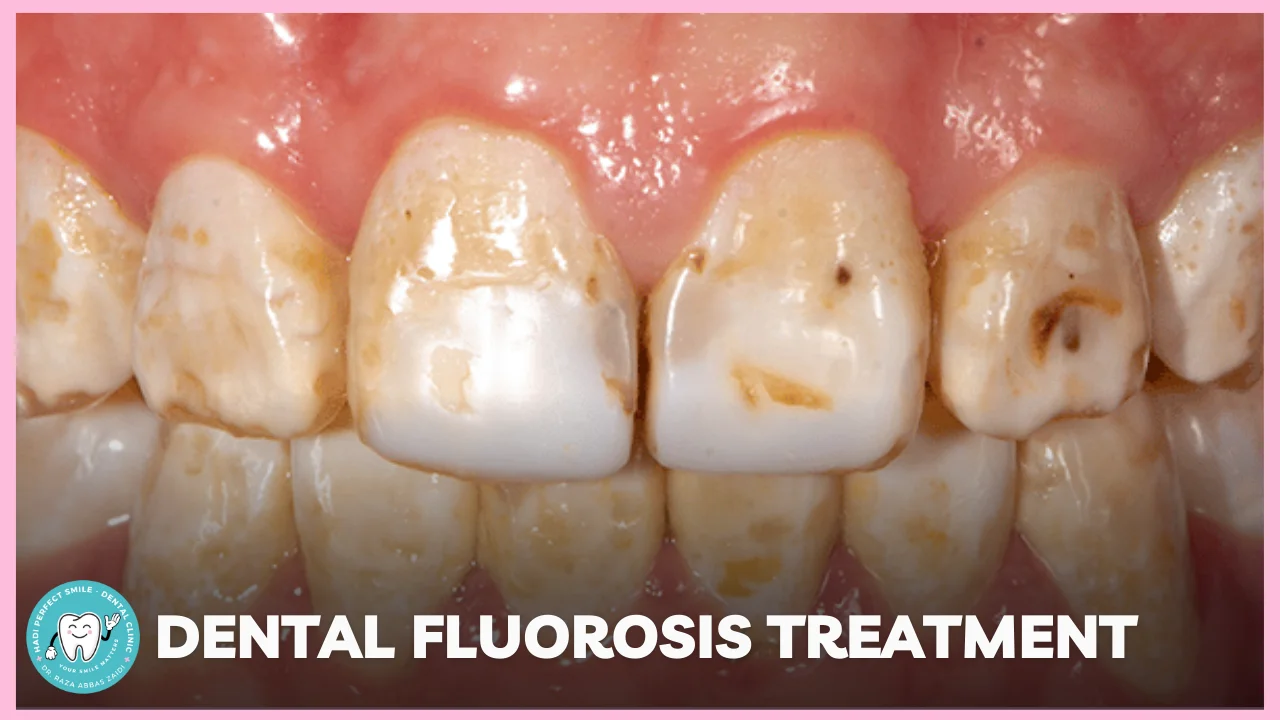
Instead of normal white enamel, the teeth may show:
- White streaks or spots
- Brown stains
- Pitting or rough enamel surfaces in severe cases
While mild fluorosis is often only cosmetic, moderate to severe fluorosis can lead to functional and psychological concerns.
Causes of Dental Fluorosis
Fluorosis is caused by prolonged ingestion of high levels of fluoride during enamel formation. Common causes include:
- High Fluoride in Drinking Water
- The most common cause, especially in areas where groundwater contains naturally high fluoride levels.
- Excessive Use of Fluoride Toothpaste
- Children swallowing large amounts of toothpaste while brushing.
- Fluoride Supplements or Drops
- Over-prescription of fluoride tablets or drops can cause excess intake.
- Fluoridated Foods & Beverages
- Tea, processed foods, and some bottled waters may contain fluoride.
- Unsupervised Use of Mouth Rinses
- Regular use of fluoride rinses without dental supervision can lead to excess fluoride exposure.
Risk Factors for Dental Fluorosis
- Children under 8 years – when permanent teeth are still developing.
- Living in high-fluoride water areas – especially rural regions using well or borewell water.
- Lack of parental supervision during brushing – children tend to swallow toothpaste.
- Excessive use of fluoride supplements – without proper guidance from a dentist.
Signs and Symptoms of Dental Fluorosis
The appearance of fluorosis varies from mild to severe.
1. Mild Fluorosis
- White streaks, flecks, or spots on teeth
- Usually not noticeable unless examined closely
2. Moderate Fluorosis
- Brownish stains on teeth
- Rough enamel texture
- Visible cosmetic concerns
3. Severe Fluorosis
- Pitting and chipping of enamel
- Dark brown or black stains
- Tooth surface irregularities
- Psychological discomfort due to poor aesthetics
How is Dental Fluorosis Diagnosed?
At Hadi Perfect Smile Dental Clinic, diagnosis is based on:
- Patient history – fluoride exposure (water, toothpaste, supplements).
- Clinical examination – checking for stains, discoloration, and enamel defects.
- Differential diagnosis – distinguishing fluorosis from enamel hypoplasia, caries, or other developmental conditions.
Psychological & Social Impact of Fluorosis
- Low Self-Esteem – Children and adults may feel embarrassed due to tooth discoloration.
- Social Anxiety – Fear of smiling or speaking openly.
- Professional Challenges – A poor smile can affect first impressions in jobs and interviews.
This makes aesthetic dental treatment essential for patients with moderate to severe fluorosis.
Treatment Options for Dental Fluorosis
The treatment depends on the severity of fluorosis and patient expectations.
1. Professional Teeth Cleaning & Polishing
- Removes surface stains in mild fluorosis.
- Improves brightness of teeth.
2. Microabrasion
- Removes a thin layer of enamel using special polishing agents.
- Effective for mild white or brown spots.
3. Teeth Whitening (Bleaching)
- Lightens the overall tooth color, reducing contrast between fluorosed areas and normal enamel.
- Works best for mild to moderate fluorosis.
4. Composite Bonding
- Tooth-colored resin applied to cover discolored or pitted enamel.
- Affordable and effective for moderate fluorosis.
5. Veneers (Porcelain or Composite)
- Thin shells placed over the front surface of teeth.
- Provides a long-lasting solution for severe discoloration.
6. Dental Crowns
- Recommended for severely damaged or pitted teeth.
- Restores both aesthetics and strength.
Prevention of Dental Fluorosis
Prevention is the best approach because fluorosis develops during tooth formation and cannot be reversed naturally.
- Monitor Fluoride in Drinking Water
- Test local water supply for fluoride content.
- Use water filters (like reverse osmosis) in high-fluoride areas.
- Supervise Children’s Brushing
- Use only a pea-sized amount of fluoride toothpaste for children.
- Teach them to spit, not swallow, toothpaste.
- Avoid Unnecessary Fluoride Supplements
- Only use fluoride drops or tablets if prescribed by a dentist.
- Limit Fluoride-Containing Mouth Rinses
- Not recommended for children under 6 years.
- Awareness & Education
- Parents should be educated about the correct use of fluoride.
Difference Between Dental Fluorosis and Other Conditions
| Condition | Cause | Appearance | Key Difference |
|---|---|---|---|
| Dental Fluorosis | Excess fluoride | White/brown spots, mottling, pitting | Affects many teeth, symmetrical pattern |
| Enamel Hypoplasia | Developmental defect | Thin enamel, grooves | Often localized, not caused by fluoride |
| Dental Caries | Bacteria + sugar | Black/brown cavities | Destructive, painful, not developmental |
FAQs on Dental Fluorosis
1. Is dental fluorosis harmful to health?
No, fluorosis only affects the appearance of teeth. However, in severe cases, enamel becomes weak and more prone to wear.
2. Can fluorosis be completely cured?
While fluorosis cannot be reversed, cosmetic treatments (like whitening, veneers, or bonding) can effectively mask discoloration.
3. Is fluoride bad for teeth?
No. Fluoride in controlled amounts is essential for preventing cavities. Fluorosis occurs only due to excessive intake.
4. Can adults develop fluorosis?
No. Fluorosis develops only during tooth formation (childhood years). Adults cannot develop new fluorosis but may live with its effects.
Why Choose Hadi Perfect Smile Dental Clinic for Fluorosis Treatment?
At Hadi Perfect Smile – Dental Clinic, Laxmi Nagar, Delhi, we provide personalized treatment for fluorosis cases ranging from mild discoloration to severe enamel damage. Under the care of Dr. Raza Abbas Zaidi, we offer:
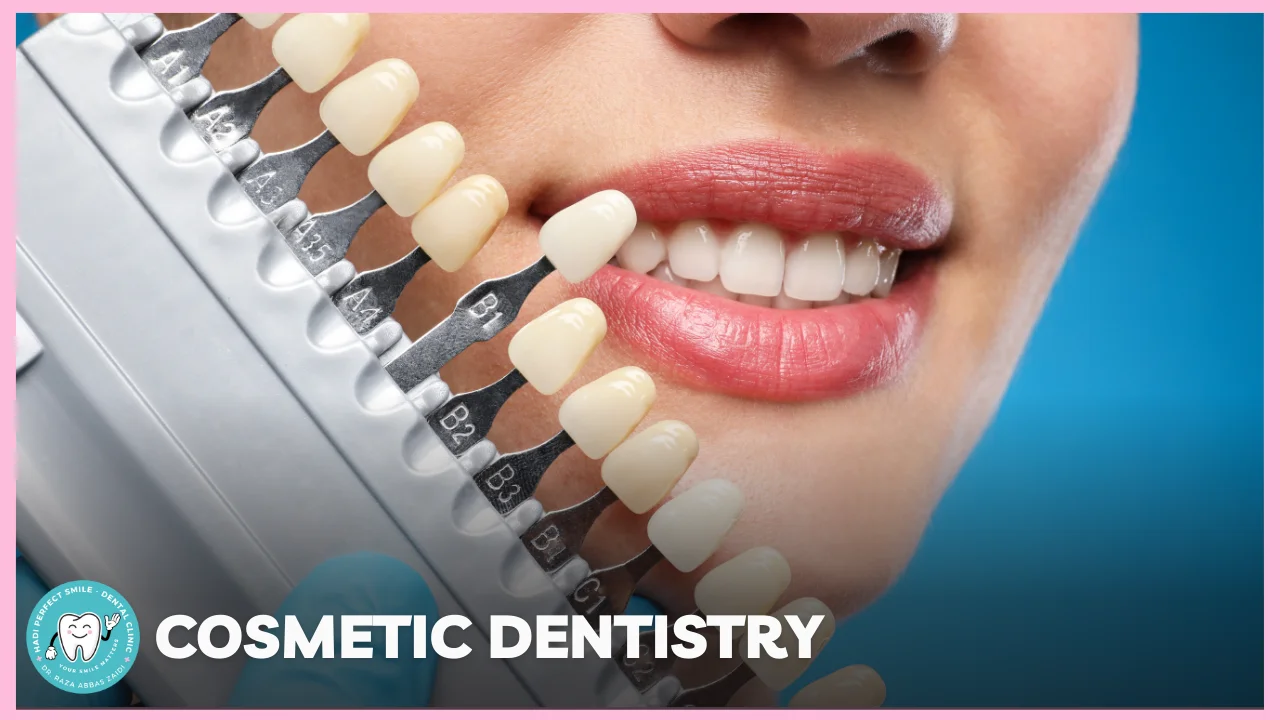
- Cosmetic dentistry solutions (whitening, veneers, crowns)
- Preventive fluoride counseling for children
- Gentle and modern treatment methods
- Affordable care with long-lasting results
📍 Address: Laxmi Nagar, Delhi
📞 Phone: +91-7011690245
📧 Email: contact@hadiperfectsmile.in
🌐 Website: www.hadiperfectsmile.in
Conclusion
Dental fluorosis is a preventable condition that primarily affects aesthetics but can have long-term effects on self-confidence and dental health. With the right preventive steps during childhood and advanced cosmetic treatments, its impact can be significantly reduced.
✨ At Hadi Perfect Smile Dental Clinic, Delhi, we believe “Your Smile Matters.” If you or your child has signs of fluorosis, don’t wait—consult Dr. Raza Abbas Zaidi for expert evaluation and treatment options tailored to your needs.